Dairy Production in Yaqui Valley Drops by 20% Due to Climate Challenges
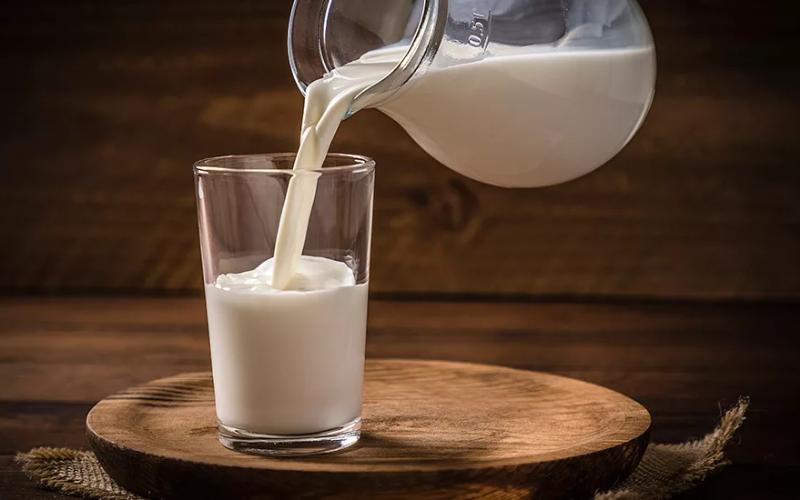
The dairy industry in the Yaqui Valley is facing a significant downturn, with a reported 20% decrease in milk production during the last quarter. This decline has been attributed to adverse climatic conditions that have disrupted the biological cycles of livestock in the region of Sonora. Local producers and industry organizations have highlighted that the drop not only affects the volume of milk collected but also exerts pressure on the supply chain in a key area for consumption in northwestern Mexico.
The main factor contributing to this decline is extreme heat stress affecting the area. Dairy cows, which are highly sensitive to temperature variations, have experienced reduced feed conversion efficiency and daily productivity due to temperatures exceeding comfort thresholds. This biological phenomenon causes cattle to prioritize thermoregulation over milk production, resulting in less efficient milking and lower quality in milk solids.
Compounding the climatic crisis is a sustained increase in production costs, particularly concerning forage and nutritional supplements. Producers in the Yaqui Valley report that maintaining the necessary feeding standards to offset the physical stress on livestock is becoming increasingly expensive, reducing profit margins. This economic squeeze—lower production with higher costs—threatens the stability of small and medium-sized farms in the area.
From a local market perspective, the decrease in raw milk flow has led to more aggressive competition among processing plants and artisanal cheesemakers for the limited product available. Although demand remains stable, the seasonal scarcity is prompting analysts to anticipate adjustments in consumer prices towards the end of the year. This situation underscores the urgency of investing in cooling infrastructure and more advanced environmental management systems in production units.
Finally, the livestock sector in southern Sonora is calling on authorities to strengthen support programs in the face of climatic contingencies. The resilience of the Yaqui Valley dairy basin depends on the implementation of heat mitigation technologies and better forage planning. Without these interventions, production volatility will continue to pose a constant threat to food sovereignty and the rural economy of the state in upcoming cycles.