Dairy Crisis in Chihuahua: Rising Costs Threaten Producers
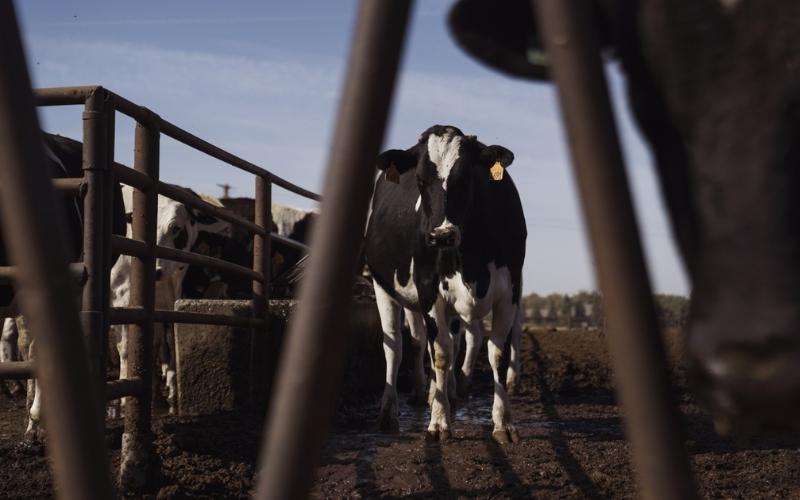
The dairy industry in Chihuahua, Mexico, is experiencing a significant profitability crisis due to a sharp increase in input costs, which exceed official milk price adjustments. Dairy producers in the region report that the cost of concentrates used for cattle feed has surged by over 60% in recent months. Meanwhile, the government's milk price adjustment is only 3.8%, aligned with the inflation rate recorded by the Bank of Mexico until November.
The disparity of nearly 56 percentage points between the inflation of inputs and the price adjustment paid to producers is squeezing operational margins to unsustainable levels. This is leading to the abandonment of production units in Chihuahua, the fourth-largest milk-producing state in Mexico.
According to Anchondo Nájera, a sector representative, the cost of veterinary medicines has almost doubled, further exacerbating the financial pressure on producers who already operate with negative margins. This price escalation in critical inputs—such as balanced feeds and pharmaceuticals—creates a 'scissors effect,' where variable costs per liter produced rise exponentially while income from sales remains stagnant.
Despite these challenges, Tavo Magallanes, a regional dairy coordinator, indicates that the sector remains afloat because the federal government considers its role fulfilled through the 'Leche para el Bienestar' program, which pays 11.50 pesos per liter. However, this guaranteed price does not reflect the current cost structure, including increased energy, labor, maintenance, and debt service expenses.
The macroeconomic context worsens the situation. While Mexico's general inflation stood at 3.8% until November, agricultural input inflation, particularly for forage grains and protein concentrates, has increased by over 60%. This is driven by factors such as droughts affecting maize production, increased costs for soybean imports, and a stronger dollar affecting import prices.