Curtains for cartons? Milk moves splash out
Back in the disco days of the 1970s, the triangular topped cardboard cartons usurped the clink and clatter of the milkman and his daily-at-dawn delivery of glass bottles. Now half a century later, it appears it’s curtains for milk cartons.
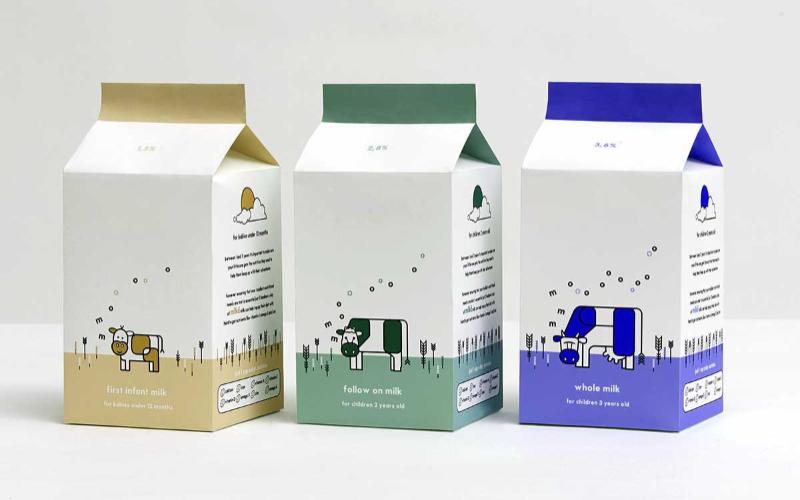
With one litre and flavoured milk increasingly appearing in screw top containers, industry experts say the triangular topped cartons have a number of issues running against them. While there are no official figures on the decline of cardboard milk cartons, Rabobank senior dairy analyst Michael
Harvey said the shift to screw top plastic bottles was evident in any supermarket refrigerator. He said one litre bottles were often bought by single person households, with cartons presenting an inconvenience for several reasons.
“If it’s just one person consuming that litre of milk, they want that litre to last longer. The cardboard cartons don’t have the same resealable qualities that you have with a screw-top lid bottle,” he said. “I was in the supermarket recently and noticed there are only a few brands that still use the cardboard milk cartons many of us grew up with. “They were not always the easiest to open, unlike the screw top bottles which definitely have a greater ease of opening. Even with flavoured milk now, you notice there’s a trend away from cartons like the Big M days.”
glass bottles to the cheaper Pure Pak containers. The appearance of two litre plastic milk bottles in the late 1980s heralded a shift towards recyclable opaque plastic containers across the fresh milk spectrum. Even in the flavoured milk category, the famous Big M milk cartons are slowly shifting to plastic screw top containers with Adelaide’s popular Farmers Union Iced Coffee one of the few remaining cardboard hold outs.
Australian Dairy Products Federation chief executive Janine Waller said while processors did not back one type of container over the other, a mix of market forces were behind the packaging transition. “A mix of factors, from supply-chain efficiencies to changing consumer preferences and the way our recycling systems have evolved, has influenced the shift from card-board cartons over time,” Ms Waller said.
“Over the past few decades, Australian dairy manufacturers have increasingly used plastic bottles for fresh milk because they suit high-volume supermarket formats. “(Bottles are) efficient to manufacture, and align with what shoppers expect today: clear, resealable, easy-to-pour, secure and convenient packaging.”
While packaging is changing, retail prices paid per litre remain stubbornly resistant to inflationary forces. Earlier this month, The Weekly Times revealed that if 1970s prices for milk had followed natural inflation over the past half century, Australian shoppers would be paying upwards of
$3.50 per litre, rather than the current $1.65 per litre. With 1990s and 2000s mechanisation bringing down the cost of production a quarter-century ago, inflation data suggests generic milk would be priced between $2.56 and $2.95 a litre without the dollar-a-litre promotion, introduced by Aldi, Coles and Wool-worths 15 years ago.
Victoria reintroduced its container deposit scheme back in November 2023 — with both bottles and cartons receiving a 10c reimbursement.
“From an environmental perspective, bottles and cartons can be recycled, and their overall impact depends on the entire system, from sourcing and transport to how effectively they are recovered,” Ms Waller said.
Author: Alex Sinnott
![milk <a href=]() australia pack" src="/upload/medialibrary/7e1/s6dh4c8ff70lhh275pqax6ncc833p5x9/Snimok-ekrana-2025_12_01-v-19.33.19.png" height="502" title="milk australia pack">
australia pack" src="/upload/medialibrary/7e1/s6dh4c8ff70lhh275pqax6ncc833p5x9/Snimok-ekrana-2025_12_01-v-19.33.19.png" height="502" title="milk australia pack">
Harvey said the shift to screw top plastic bottles was evident in any supermarket refrigerator. He said one litre bottles were often bought by single person households, with cartons presenting an inconvenience for several reasons.
“If it’s just one person consuming that litre of milk, they want that litre to last longer. The cardboard cartons don’t have the same resealable qualities that you have with a screw-top lid bottle,” he said. “I was in the supermarket recently and noticed there are only a few brands that still use the cardboard milk cartons many of us grew up with. “They were not always the easiest to open, unlike the screw top bottles which definitely have a greater ease of opening. Even with flavoured milk now, you notice there’s a trend away from cartons like the Big M days.”
While invented in the United States a century ago, gable-topped cartons only became popular in the mid-1970s as processors shifted away from
glass bottles to the cheaper Pure Pak containers. The appearance of two litre plastic milk bottles in the late 1980s heralded a shift towards recyclable opaque plastic containers across the fresh milk spectrum. Even in the flavoured milk category, the famous Big M milk cartons are slowly shifting to plastic screw top containers with Adelaide’s popular Farmers Union Iced Coffee one of the few remaining cardboard hold outs.
Australian Dairy Products Federation chief executive Janine Waller said while processors did not back one type of container over the other, a mix of market forces were behind the packaging transition. “A mix of factors, from supply-chain efficiencies to changing consumer preferences and the way our recycling systems have evolved, has influenced the shift from card-board cartons over time,” Ms Waller said.
“Over the past few decades, Australian dairy manufacturers have increasingly used plastic bottles for fresh milk because they suit high-volume supermarket formats. “(Bottles are) efficient to manufacture, and align with what shoppers expect today: clear, resealable, easy-to-pour, secure and convenient packaging.”
While packaging is changing, retail prices paid per litre remain stubbornly resistant to inflationary forces. Earlier this month, The Weekly Times revealed that if 1970s prices for milk had followed natural inflation over the past half century, Australian shoppers would be paying upwards of
$3.50 per litre, rather than the current $1.65 per litre. With 1990s and 2000s mechanisation bringing down the cost of production a quarter-century ago, inflation data suggests generic milk would be priced between $2.56 and $2.95 a litre without the dollar-a-litre promotion, introduced by Aldi, Coles and Wool-worths 15 years ago.
Victoria reintroduced its container deposit scheme back in November 2023 — with both bottles and cartons receiving a 10c reimbursement.
“From an environmental perspective, bottles and cartons can be recycled, and their overall impact depends on the entire system, from sourcing and transport to how effectively they are recovered,” Ms Waller said.
Author: Alex Sinnott