Congress Approves Bill to Reintroduce Whole Milk in U.S. School Cafeterias
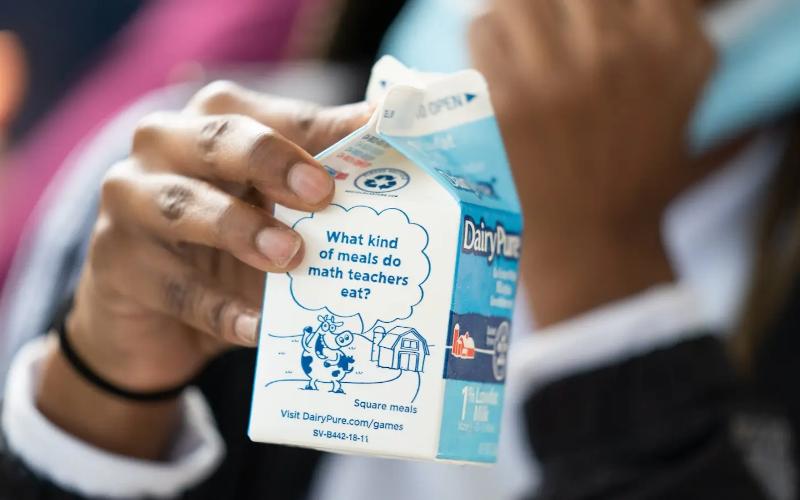
The U.S. Congress has passed a bipartisan bill that allows the return of whole milk to school cafeterias, pending approval from President Trump. This legislation challenges existing federal nutrition guidelines, which currently restrict school milk offerings to non-fat or 1% fat varieties. The bill was introduced by Rep. Glenn Thompson (R-Pa.) and marks a significant victory for the dairy industry, which has been advocating for broader milk options in schools.
The dairy industry argues that the restrictive guidelines introduced in 2010 have decreased milk consumption among students and increased food waste. By allowing whole and 2% reduced-fat milk, schools could offer options that are reportedly more palatable to students, potentially increasing milk consumption and nutrient intake while reducing waste.
However, the bill has met strong opposition from public health organizations, including pediatricians and nutrition experts. They raise concerns about the health implications of increased saturated fat intake, which could elevate risks of cholesterol, heart disease, and childhood obesity. These concerns highlight the ongoing debate between industry demands and health guidelines.
If enacted, the legislation would provide schools with the flexibility to offer whole and 2% milk, alongside the existing non-fat and 1% options, allowing districts to cater to regional preferences and parental input. This move could significantly impact the federal School Lunch Program by incorporating higher-value dairy products, which the dairy industry hopes will boost demand and support milk prices.
The bill's progress is being closely watched by analysts for its potential political and economic implications, particularly for the dairy supply chain. The outcome of this legislation is seen as a critical indicator for future policy discussions surrounding nutrition standards in federally supported feeding programs.