Comparing Almond Milk and Soy Milk: Nutritional Benefits and Uses
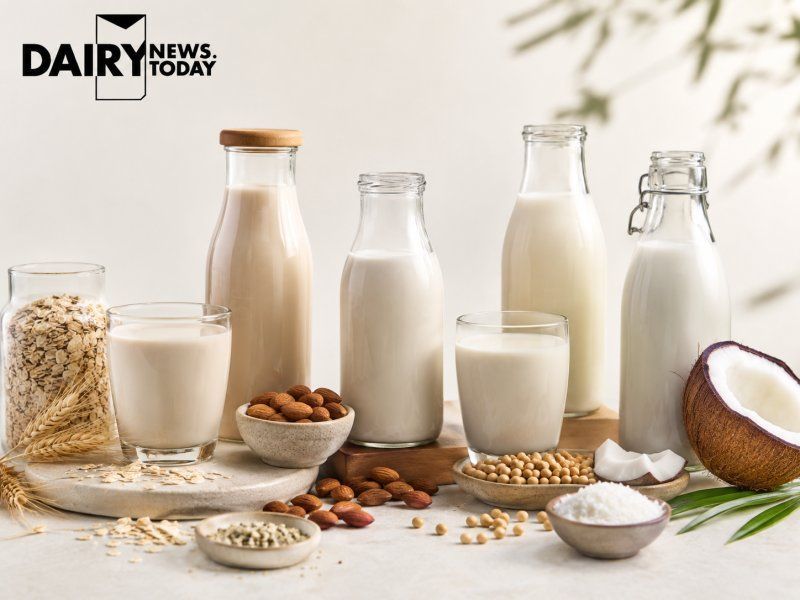
Plant-based milk options like almond milk and soy milk have become increasingly popular as alternatives to traditional dairy products. These beverages cater to various dietary needs, offering distinct nutritional profiles and health benefits.
Nutritional Profile
Almond milk is known for its low-calorie content and high levels of vitamin E and healthy unsaturated fats, which support skin health and provide antioxidants. It is prepared by blending soaked almonds with water, resulting in a smooth, nutty-flavored drink. In contrast, soy milk is made from soaked soybeans and is rich in complete plant protein, containing all nine essential amino acids. This makes soy milk an excellent option for muscle recovery and vegetarian diets.
Fortification and Uses
Both almond milk and soy milk are often fortified with calcium and vitamin D, enhancing their value as lactose-free milk options for daily nutrition. These beverages fit seamlessly into various recipes, including smoothies, breakfast cereals, coffee, and healthy desserts. Almond milk's light texture and flavor make it a refreshing choice during hot summer months, whereas soy milk's higher protein content provides longer-lasting energy.
Historical Context
Soy milk has origins in East Asia, where it has been consumed for centuries. Almond milk, with its Mediterranean roots, has gained global popularity in recent years. Both types of milk are made using simple ingredients and have become staples in plant-based diets.
Recipe and Preparation
To prepare almond milk, soak raw almonds overnight, blend with chilled water, and strain to create a smooth drink. Optional ingredients like vanilla extract or dates can be added for flavor. Soy milk preparation involves soaking soybeans, blending with water, straining, and boiling for 15-20 minutes before cooling.
Conclusion
Choosing between almond milk and soy milk depends on individual nutritional goals and preferences. Almond milk is ideal for those looking to reduce calorie intake, while soy milk is beneficial for those seeking higher protein consumption. Both options offer valuable nutrients and fit well into balanced diets.