Colima Strengthens Measures Against Brucellosis in Dairy Production
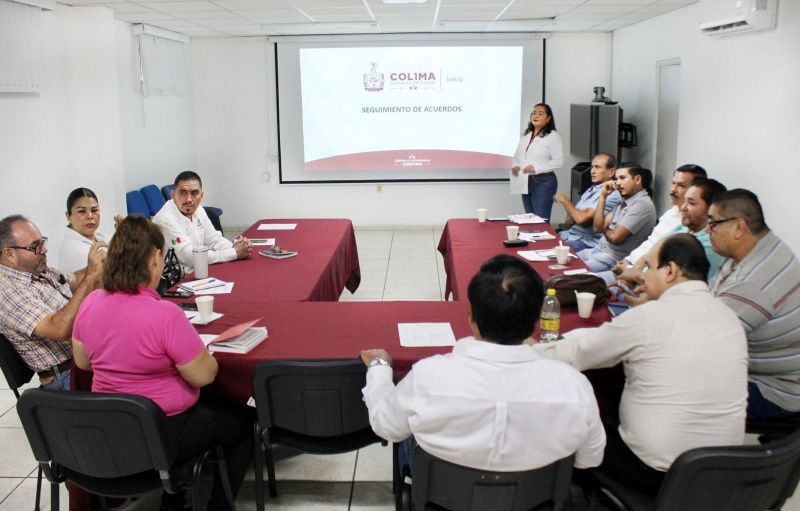
The state of Colima in Mexico is intensifying its efforts to control brucellosis, a zoonotic disease, through rigorous regulation of raw milk. During the second meeting of the Intersectoral Committee for Brucellosis in Colima, the state’s Health Department and the State Commission for the Protection against Sanitary Risks (Coespris) outlined new epidemiological surveillance strategies. These measures aim to prevent the spread of the disease in the region.
A significant outcome of this meeting was the creation of a detailed registry of local dairy producers. This registry will include georeferenced data on livestock production units and a meticulous record of raw milk sales points across the state. The scope of regulation extends to those involved in artisanal and industrial production of fresh cheeses and other high-consumption dairy products.
Brucellosis, caused by Brucella bacteria, poses a significant risk to public health and the livestock sector due to its transmission to humans through contaminated fluids. The containment of this pathogen is crucial for public safety and economic stability in the dairy industry. In response, Coespris has urged the population to refrain from consuming raw milk of unknown origin and to purchase only pasteurized dairy products from certified establishments.
Coespris emphasizes the importance of maintaining stringent hygiene practices from milking to retail to prevent biological contamination. This approach is seen as essential for neutralizing contamination threats. The collaboration between dairy producers, distributors, and consumers is deemed vital to ensuring food safety and the economic viability of medium-sized family farms.
The success of these coordinated efforts in Colima is expected to serve as a benchmark for evaluating preventive measures and ensuring the national supply chain operates under principles of sovereignty and agricultural sustainability.