CLFMA of India elects Sumit Sureka chairman for 2026–2028
Sureka is managing director of both Shivshakti Agro India Pvt. Ltd. and Amrit Breeder Farms Pvt. Ltd., and a director at Impressico Business Solutions Pvt. Ltd. His career in poultry and animal feed spans more than three decades, with experience in feeds for dairy cattle, poultry, aquaculture and pigs, as well as breeding, hatchery operations, integrated broiler production, finance and business management. Within CLFMA, he has spent approximately ten years on the managing committee and over eight as an office-bearer, including six as deputy chairman. He also serves as vice-president of the West Bengal Poultry Federation and studied at London Business School and Delhi’s Shri Ram College of Commerce.
The availability and affordability of maize and soybean are among the association’s principal concerns for the new term. Both ingredients are important to animal-feed production, and uncertain supplies and fluctuating prices can raise costs across poultry, dairy and aquaculture operations. CLFMA plans to pursue longer-term responses through joint industry initiatives, productivity improvements, better supply-chain infrastructure and engagement with government authorities. Its stated aim is dependable access to these ingredients at competitive prices. Feed expenditure is also a significant component of milk-production economics, making ingredient costs relevant to livestock farmers and dairy businesses.
The incoming leadership will seek to encourage the use of predictive technologies and other tools intended to improve productivity in feed production and animal agriculture. CLFMA plans to identify technical expertise and technologies among its members and arrange exchanges of knowledge across the sector. It also intends to recruit members from more parts of India and additional livestock-related businesses, widening participation in discussions about technical changes, common operating challenges and policy. A separate educational initiative would introduce higher-education institutions to employment, self-employment and entrepreneurial opportunities in the animal-food industry.
For its longer-term programme, CLFMA proposes forming a team to develop and pursue Vision 2040 for Animal Food. The initiative uses the phrase “Most Economic Protein” and is intended to address the economic viability of protein production alongside India’s nutritional requirements. Its scope includes feed producers, poultry, dairy, aquaculture and related businesses, with attention to ingredient supplies, production efficiency and animal nutrition. Commenting on his appointment, Sureka linked livestock production to national nutritional security, agricultural livelihoods and economic development. He called for continuing cooperation between businesses and policymakers on ingredient availability, volatile input costs, nutrition and production efficiency, and said he intended to strengthen stakeholder participation, innovation and competitiveness.
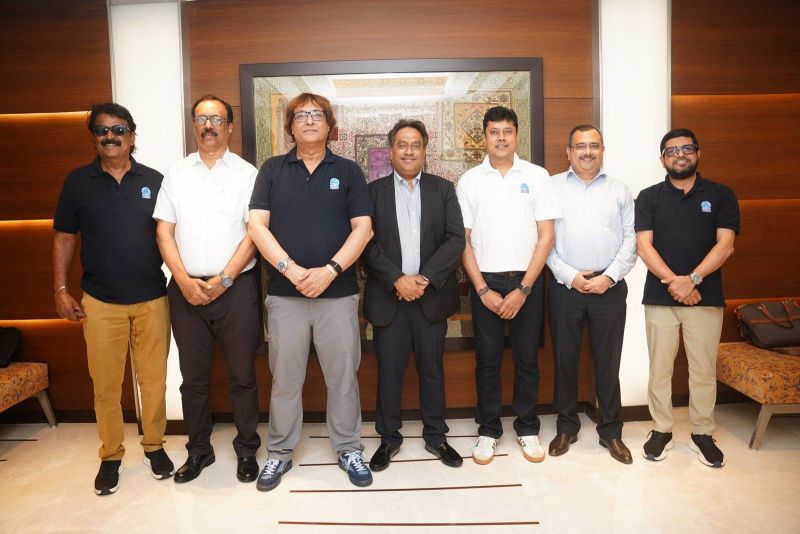
The elected leadership includes four deputy chairmen with sector-specific responsibilities: Abhay Parnekar for poultry, Dony George for dairy, Ramakanta V Akula for aquaculture and Ram Kutty for other segments. Abhay Shah was elected honorary secretary, and Nissar Ahmed will take the treasurer’s role. These appointments place representatives of several livestock-industry segments within the association’s office-bearing team for the 2026–2028 period.
Divya Kumar Gulati, of Nurture Technology Pvt. Ltd., retains the designation of immediate past chairman. CLFMA recognised his work during his chairmanship in developing its representation of the industry, engagement with stakeholders and advocacy on policy. The association’s planned work under Sureka includes continued interaction with policymakers and businesses, alongside the technical exchanges and broader membership recruitment outlined for the new term.
Established in June 1967, CLFMA has a membership exceeding 250, drawn from feed production, poultry, dairy, aquaculture, animal nutrition and veterinary services. Its activities involve collaboration with public authorities, livestock farmers, universities and research organisations on the sector’s development.