Cheese Fair Off the Square brought Wisconsin cheesemakers to Madison
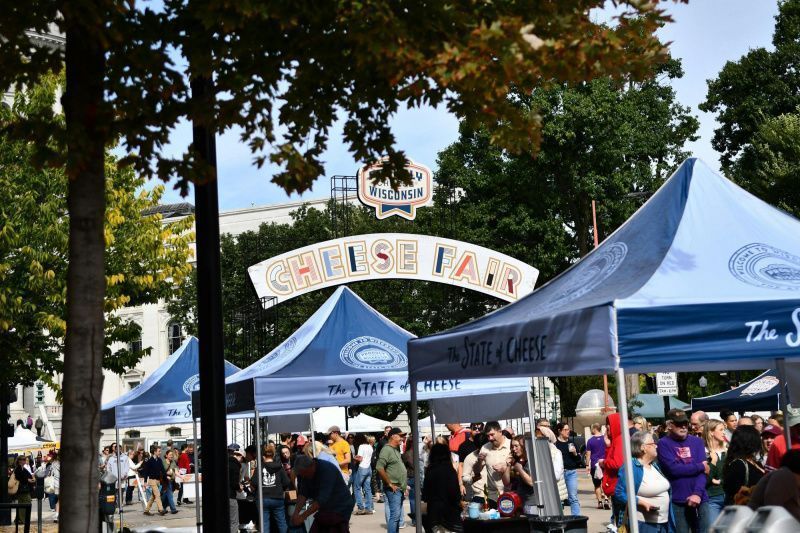
The outdoor event brought together farmstead creameries, regional cheese plants and specialty producers, ranging from long-established family businesses in rural Wisconsin to the University of Wisconsin–Madison’s Babcock Hall Dairy. Exhibitors used the fair to present their products directly to consumers and to industry visitors, without relying solely on conventional distribution channels.
Products on display included aged clothbound cheddar, alpine-style cheese made in copper vats, surface-ripened brie and washed-rind varieties. These products require controlled fermentation, selected starter cultures and close management of moisture and protein levels. Producers also combine pasteurisation and sanitation systems with traditional ripening methods, according to the event material.
Wisconsin produces about one-quarter of all cheese made in the United States, or almost 3.5bn pounds a year. Specialty cheese accounts for a growing portion of that output, while fluid-milk consumption has declined over the longer term and standard commodity cheese remains exposed to price movements on the Chicago Mercantile Exchange.
The fair gave smaller and medium-sized processors an opportunity to explain maturation periods, flavour combinations and the geographic origins of their products. Direct contact also allowed producers to sell to consumers at retail prices rather than through discounted wholesale channels. The event material described such sales as a source of immediate cash for businesses managing packaging, cold storage and other operating costs.
Specialty production requires more working capital than many commodity products because cheese may remain in storage while it matures. Producers also face expenses linked to specialised ageing rooms, inventory held during the ripening cycle and labour-intensive packing. In contrast with butter, milk powder and standard 40-pound cheese blocks, artisan products can generate higher gross margins per hundredweight of milk, according to the source.
The specialty-cheese sector also connects processors with nearby dairy farms. Some plants maintain long-term purchasing relationships and pay premiums for milk with high butterfat and protein levels and low somatic-cell counts. Wisconsin’s dairy farms continue to face costs for feed, machinery maintenance and debt service; the source says that premium processing provides an additional market for local milk and supports the commercial links between farmers, cheesemakers and consumers.