Castro's Dairy Industry: A Rival to European Farms
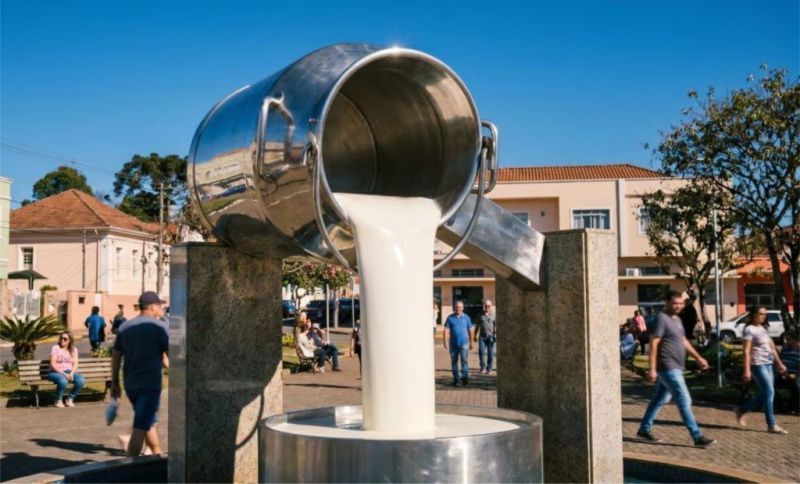
Castro is one of the oldest cities in Paraná, Brazil, and its dairy industry has grown to rival some of the most productive farms in Europe and the United States. This transformation began in the 1950s when Dutch immigrants settled in the area post-World War II. In 1951, these immigrants established the cooperative Castrolanda, which played a crucial role in evolving the local dairy industry.
The legacy of these early settlers is evident not only in the thriving farms but also in the cultural landmarks of Castro, such as the Cultural Center Castrolanda, which houses the Dutch-style De Immigrant windmill and the Memorial of Dutch Immigration. These sites celebrate the contributions of Dutch families to the region's development.
Each year, Castro hosts Agroleite, the largest dairy technology exhibition in Latin America, as recognized by the Paraná state government. This event gathers producers, businesses, and professionals from the dairy sector and includes the presentation of the prestigious Agroleite Trophy.
Visitors to Castro can explore the Tropeiro Museum, which preserves artifacts from the historic trade route that crossed the Campos Gerais. The region offers various attractions, such as the Lacustre Park and Capão Alto Farm, which maintain the colonial architecture associated with the tropeiro trade.
Nearby, the Guartelá Canyon, the longest in Brazil, provides opportunities for hiking, exploring waterfalls, and viewing ancient rock paintings, offering a blend of natural beauty and historical significance.
The local cuisine reflects a mix of cultures, featuring colonial cheeses alongside traditional Dutch stroopwafels and tropeiro-style meat, showcasing a unique blend of culinary influences.
The climate of Campos Gerais, with its mild summers and cold winters, contributes to the region's picturesque landscape, adding to the charm of Castro's rural setting. This combination of climate, history, and cultural diversity makes Castro a unique center for dairy production and a reflection of Brazil's broader agricultural heritage.