Canada Faces Dairy Policy Challenges as CUSMA Review Looms
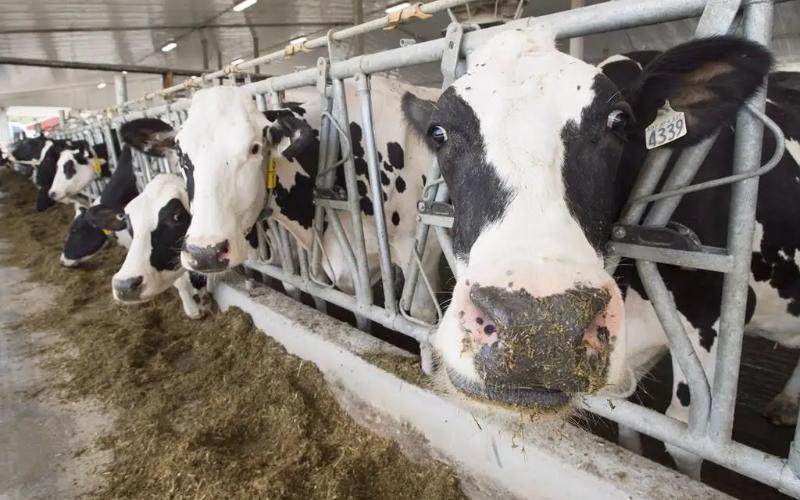
Canada's supply management system, which protects domestic dairy and poultry producers, is under pressure as the scheduled 2026 review of the Canada–United States–Mexico Agreement (CUSMA) approaches. The system, which utilizes production quotas and import controls, has long been a contentious issue in trade negotiations. U.S. dairy lobbyists are expected to advocate for increased market access during the review.
Golden West Business Commentator Paul Martin has highlighted a changing political context, noting the appointment of a Canadian ambassador to Washington who has previously criticized the supply management system. This appointment might indicate a potential openness to reforming the quota-based framework.
Martin argues that the current system misallocates production quotas based on population density, concentrating dairy and poultry production in high-cost areas like Ontario and Quebec. He suggests that shifting production to regions with plentiful land and feed resources, such as Saskatchewan, could enhance agricultural efficiency.
The potential weakening or removal of supply management could lead to increased dairy and poultry production in the Prairies, encouraging investment in local processing infrastructure and strengthening regional supply chains. Martin asserts that such changes would not only affect farm-level expansion but also create value-added opportunities in the region.
With the review approaching, industry experts advise stakeholders in Saskatchewan and other regions to closely monitor political developments in both Ottawa and Washington. Although no official policy changes have been announced, the debate over supply management is gaining momentum, and significant shifts could occur if negotiations evolve unexpectedly.
The outcome of the 2026 CUSMA review is poised to have long-lasting implications for Canada's dairy sector, potentially reshaping its geographic and economic landscape.