Brazilian Rules Distinguish Requeijão from Similar Dairy Spreads
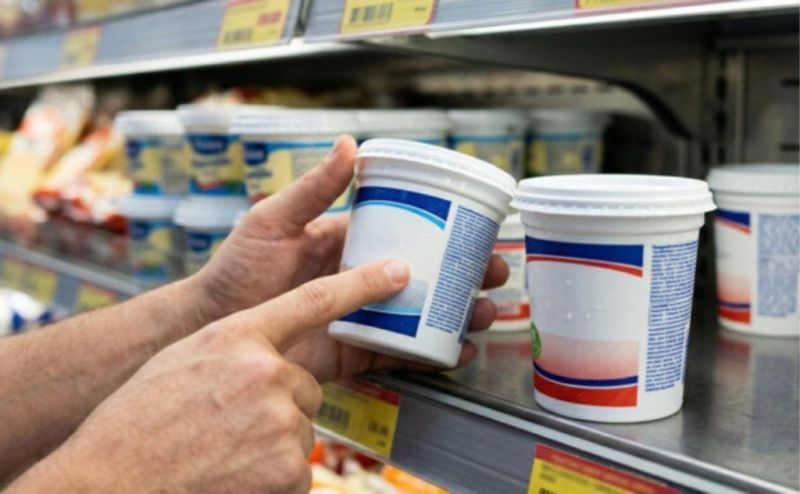
Two chilled, creamy products can look alike while belonging to different legal categories in Brazil. The distinction is set out in the product’s sales designation, which must appear on the package’s main panel rather than being left only to the ingredient list.
Ministry of Agriculture and Livestock rules reserve the term requeijão for products made according to the identity requirements for that dairy product. Ordinance No. 359 of 1997 describes requeijão as involving the fusion of curd formed by coagulating milk after the whey has been removed and the curd washed. It also identifies varieties including creamy requeijão, requeijão and butter requeijão, according to the ingredients used.
Decree No. 9,013 of 2017 states that the product’s dairy base cannot contain fat or protein from non-dairy sources. Creamy texture, taste or packaging therefore does not determine whether a product may use the name on its own. The classification depends on the formulation and the applicable identity rules.
The term mistura is used for products that combine requeijão with additional ingredients. A 2024 inspection manual from Rio Grande do Sul refers to mixtures containing vegetable fat, starch or both. Such products are covered by official classification and inspection rules. The manual requires the final formulation to contain more than 50% dairy products or compound dairy products, with requeijão as the principal ingredient and curd as the predominant component of the requeijão used.
These requirements mean that “mixture of requeijão and starch”, for example, is not the same sales designation as creamy requeijão. Creamy requeijão is made with milk combined with cream, butter or anhydrous milk fat under the requirements for that category. A requeijão mixture may contain vegetable fat or starch, but is subject to different conditions.
Instruction No. 22 of 2005 requires the sales designation to be displayed on the package’s main panel. Animal-origin products containing added vegetable oil or fat must also carry, immediately below the product designation, the wording “CONTAINS VEGETABLE OIL” or “CONTAINS VEGETABLE FAT”, depending on the ingredient. Those statements do not replace the full ingredient list.
Brazil’s health regulator, Anvisa, requires nutritional information per 100 grams, allowing products to be compared using the same quantity. Protein, saturated fat and sodium can therefore be assessed alongside the ingredient list, whose components are presented in descending order by proportion. The designation mistura alone does not establish that a product has a particular nutritional value or that it is necessarily cheaper or nutritionally worse than requeijão.