Brazil Increases Domestic Whey Protein Production to Reduce Imports
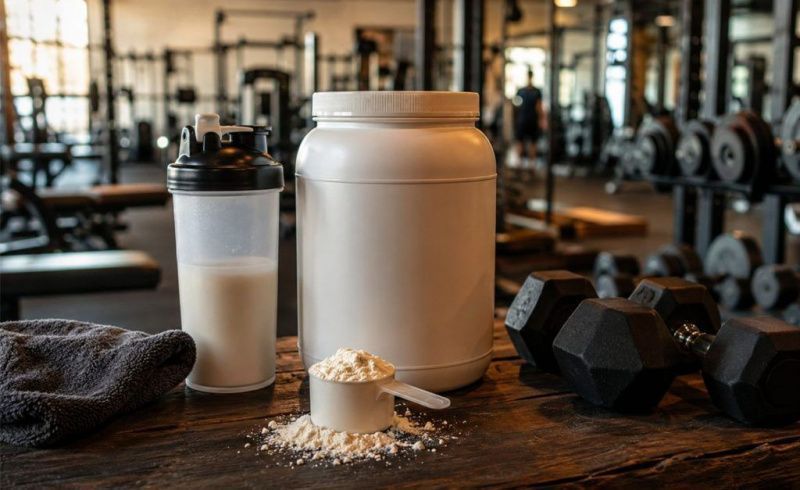
A significant investment in a new dairy processing facility in São Jorge D’Oeste, Paraná, Brazil, aims to shift the country's strategy in the dairy industry by focusing on higher-value products like whey protein and powdered lactose. Historically considered a low-value byproduct, the whey generated during cheese production is now being leveraged for its economic potential.
The facility, with an annual production capacity of 6,000 tons of whey protein and 14,800 tons of lactose powder, represents a strategic move to decrease Brazil's dependency on imports. The Brazilian National Bank for Economic and Social Development (BNDES) has financed the majority of the R$ 612 million investment, with R$ 499 million allocated to the project, supplemented by the Paraná Competitivo program.
This industrial shift is not only expected to increase domestic supply but also to enhance the technological capacity of Brazil's dairy industry. The plant, occupying 54,000 square meters, will process up to 1.2 million liters of milk daily and create 250 direct jobs, potentially altering the local economy of the 9,500-resident town.
The decision to focus on whey protein and lactose powder production is part of a broader strategy to capture more value within the dairy supply chain by investing in technology that converts existing components into more profitable products. This approach aims to strengthen Brazil's competitiveness in the global market, particularly in segments traditionally dominated by imported goods.
The project underscores a shift from merely increasing milk production to enhancing the profitability of milk derivatives, potentially paving the way for Brazil to secure a larger share in the global dairy market.