“Biotech-Made Milk Proteins Are Becoming Strategic Food Infrastructure” — Roman Plewka
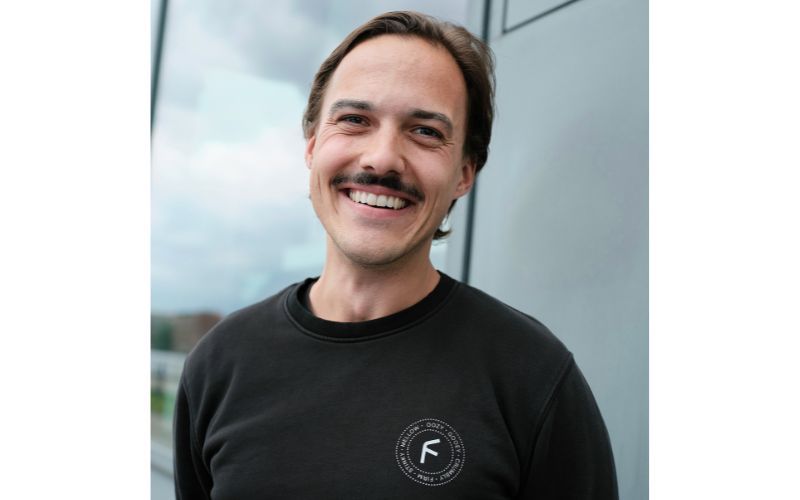
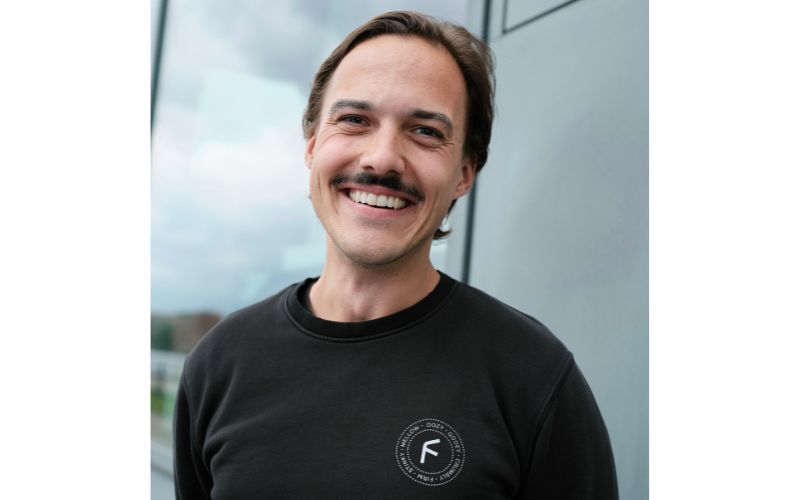
Roman Plewka, Co-Founder and Co-CEO of Formo (Germany), will speak at MENA Dairy Congress about how precision fermentation is shifting from innovation to industrial execution. In this interview, he explains why bio-identical dairy proteins are not an alternative but a new supply route for the industry, how fermentation can strengthen food resilience in MENA, and why the future of dairy will be built on collaboration between traditional producers and biotechnology.
Precision fermentation is moving rapidly fr om pilot to commercial scale. What do you see as the biggest technical and economic hurdles to making animal-free dairy proteins truly competitive with conventional dairy in the next five years?
The challenge requiring the strongest focus is industrial execution at competitive unit economics. The winners will be the companies that can do three things simultaneously: drive high productivity, keep downstream processing simple and efficient, and run the whole system reliably in standard industrial equipment.
Economics will be decided by a small set of levers: feedstock and energy inputs, capex efficiency, and cost-in-use. If the protein delivers superior functionality, you win in real manufacturing environments through better yields, fewer additives, and more consistent output. At Formo, we have designed our platform specifically around scalability, standardisation, and a clear cost-down path.
 Formo positions its proteins as bio-identical rather than alternative. How does this distinction change the way regulators, food companies, and consumers should think about the future of dairy?
We are thinking about dairy as a category through an ingredient innovator lense. Formo makes the same milk proteins the dairy industry relies on, starting with casein, produced through biotechnology. Regulators should evaluate this like any other food ingredient: robust safety assessment and clear standards, with the understanding that the molecule is dairy protein, not an imitation. Food companies should treat recombinant proteins as a new supply route for a high-value ingredient class that can increase resilience and unlock product innovation inside existing value chains.
Consumers should not be asked to trade indulgence for sustainability. Bio-identical means same protein and same experience, with a different production system.
Climate resilience is a core part of your mission. How can biomanufacturing and fermentation-based dairy proteins help regions like MENA address challenges such as water scarcity, feed dependency, and import reliance?
MENA’s dairy challenge is structural. You cannot solve it by optimising farms alone, because the system remains exposed to water constraints, imported feed, and global commodity volatility. Fermentation-based dairy proteins add a second pillar: climate-resilient biomanufacturing capacity that can sit close to demand and run on controllable industrial inputs. That means more predictable supply, less vulnerability to trade disruptions, and the option to build strategic reserves of critical proteins. This is food resilience infrastructure, and in MENA that is a strategic priority.
Fr om a market perspective, which dairy categories (cheese, beverages, ingredients, foodservice applications) are likely to adopt precision-fermented proteins first, and why?
At Formo, we have built our ingredient platform to be a drop-in solution for dairy and food manufacturers. That means we can support essentially any application wh ere milk proteins matter, fr om cheese to beverages to ingredients and foodservice.
In adoption, however, the first wave typically happens wh ere the business case is immediate and measurable. That tends to be:
● Cheese and cheese-adjacent applications, because casein functionality drives melt, stretch, texture, and yield;
● Foodservice and industrial ingredients, wh ere consistency, process performance, and supply reliability matter daily;
● Even hybrid formulations, where manufacturers can improve performance and resilience without changing the consumer experience.
Our approach is customer-centric. We start with the applications our partners care about most, define what “performance” means in their processes, and then tailor functionality and specs to deliver a clear advantage.
Scaling infrastructure is capital- and policy-intensive. What role do governments and regional investment platforms need to play to accelerate the development of fermentation capacity in emerging markets?
Governments need to treat fermentation capacity as strategic industrial infrastructure, like energy, water, or logistics. The playbook is clear:
1. De-risk first facilities through industrial policy tools such as land, utilities, permitting speed, incentives, and co-investment structures.
2. Provide regulatory clarity and standards so companies can invest with confidence and customers can adopt with trust.
3. Build clusters, not one-off projects, so talent, suppliers, and partners accumulate and the model becomes repeatable.
If MENA wants to lead in food resilience and industrial diversification, it needs to anchor biomanufacturing capacity the same way it anchored other strategic industries.
How do you see the relationship between traditional dairy producers and precision fermentation evolving—as competition, collaboration, or a hybrid model of future food systems?
It will be hybrid, and collaboration will be the dominant pattern because it is the fastest path to scale. Traditional dairy brings brands, consumer trust, distribution, and manufacturing know-how. Precision fermentation brings a new capability: resilient, programmable supply of high-value milk proteins. The best future is dairy companies using biotech proteins to strengthen portfolios, stabilise supply, and innovate faster.
At Formo, our model is built for integration. We start with co-development, then move into supply and industrial partnerships. This is dairy plus biotech.
What are you most looking forward to discussing at the MENA Dairy Congress, and what kind of dialogue do you hope to have with industry leaders fr om the region?
I’m looking forward to moving the conversation from interesting to actionable. MENA has the ambition. Now the question is how to translate it into partnerships, projects, and capacity. I want to discuss two things with regional industry leaders:
1. Wh ere biotech-made milk proteins create the most immediate value, especially in cheese, beverages, and more applications.
2. What partnership models will scale fastest in the region, including co-development, offtake, and industrial manufacturing pathways.
The outcome we’re aiming for is a small number of high-quality follow-ups that turn into real collaboration workstreams.
_________________________________________________
The challenge requiring the strongest focus is industrial execution at competitive unit economics. The winners will be the companies that can do three things simultaneously: drive high productivity, keep downstream processing simple and efficient, and run the whole system reliably in standard industrial equipment.
Economics will be decided by a small set of levers: feedstock and energy inputs, capex efficiency, and cost-in-use. If the protein delivers superior functionality, you win in real manufacturing environments through better yields, fewer additives, and more consistent output. At Formo, we have designed our platform specifically around scalability, standardisation, and a clear cost-down path.
We are thinking about dairy as a category through an ingredient innovator lense. Formo makes the same milk proteins the dairy industry relies on, starting with casein, produced through biotechnology. Regulators should evaluate this like any other food ingredient: robust safety assessment and clear standards, with the understanding that the molecule is dairy protein, not an imitation. Food companies should treat recombinant proteins as a new supply route for a high-value ingredient class that can increase resilience and unlock product innovation inside existing value chains.
Consumers should not be asked to trade indulgence for sustainability. Bio-identical means same protein and same experience, with a different production system.
Climate resilience is a core part of your mission. How can biomanufacturing and fermentation-based dairy proteins help regions like MENA address challenges such as water scarcity, feed dependency, and import reliance?
MENA’s dairy challenge is structural. You cannot solve it by optimising farms alone, because the system remains exposed to water constraints, imported feed, and global commodity volatility. Fermentation-based dairy proteins add a second pillar: climate-resilient biomanufacturing capacity that can sit close to demand and run on controllable industrial inputs. That means more predictable supply, less vulnerability to trade disruptions, and the option to build strategic reserves of critical proteins. This is food resilience infrastructure, and in MENA that is a strategic priority.
Fr om a market perspective, which dairy categories (cheese, beverages, ingredients, foodservice applications) are likely to adopt precision-fermented proteins first, and why?
At Formo, we have built our ingredient platform to be a drop-in solution for dairy and food manufacturers. That means we can support essentially any application wh ere milk proteins matter, fr om cheese to beverages to ingredients and foodservice.
In adoption, however, the first wave typically happens wh ere the business case is immediate and measurable. That tends to be:
● Cheese and cheese-adjacent applications, because casein functionality drives melt, stretch, texture, and yield;
● Foodservice and industrial ingredients, wh ere consistency, process performance, and supply reliability matter daily;
● Even hybrid formulations, where manufacturers can improve performance and resilience without changing the consumer experience.
Our approach is customer-centric. We start with the applications our partners care about most, define what “performance” means in their processes, and then tailor functionality and specs to deliver a clear advantage.
Scaling infrastructure is capital- and policy-intensive. What role do governments and regional investment platforms need to play to accelerate the development of fermentation capacity in emerging markets?
Governments need to treat fermentation capacity as strategic industrial infrastructure, like energy, water, or logistics. The playbook is clear:
1. De-risk first facilities through industrial policy tools such as land, utilities, permitting speed, incentives, and co-investment structures.
2. Provide regulatory clarity and standards so companies can invest with confidence and customers can adopt with trust.
3. Build clusters, not one-off projects, so talent, suppliers, and partners accumulate and the model becomes repeatable.
If MENA wants to lead in food resilience and industrial diversification, it needs to anchor biomanufacturing capacity the same way it anchored other strategic industries.
How do you see the relationship between traditional dairy producers and precision fermentation evolving—as competition, collaboration, or a hybrid model of future food systems?
It will be hybrid, and collaboration will be the dominant pattern because it is the fastest path to scale. Traditional dairy brings brands, consumer trust, distribution, and manufacturing know-how. Precision fermentation brings a new capability: resilient, programmable supply of high-value milk proteins. The best future is dairy companies using biotech proteins to strengthen portfolios, stabilise supply, and innovate faster.
At Formo, our model is built for integration. We start with co-development, then move into supply and industrial partnerships. This is dairy plus biotech.
What are you most looking forward to discussing at the MENA Dairy Congress, and what kind of dialogue do you hope to have with industry leaders fr om the region?
I’m looking forward to moving the conversation from interesting to actionable. MENA has the ambition. Now the question is how to translate it into partnerships, projects, and capacity. I want to discuss two things with regional industry leaders:
1. Wh ere biotech-made milk proteins create the most immediate value, especially in cheese, beverages, and more applications.
2. What partnership models will scale fastest in the region, including co-development, offtake, and industrial manufacturing pathways.
The outcome we’re aiming for is a small number of high-quality follow-ups that turn into real collaboration workstreams.
_________________________________________________
Gold Sponsor of the MENA Dairy Congress is alainfarms.com/">Al Ain Farms.
Our partners: Super Food FZCO, International Dairy Federation (IDF), hommak.com/en/">Hommak, krones.com/en/index.php">Krones
If you would like to participate in the MENA Dairy Congress, please complete the registration form below:
Loading...