Australian Grocers Lower Private-Label Milk Prices
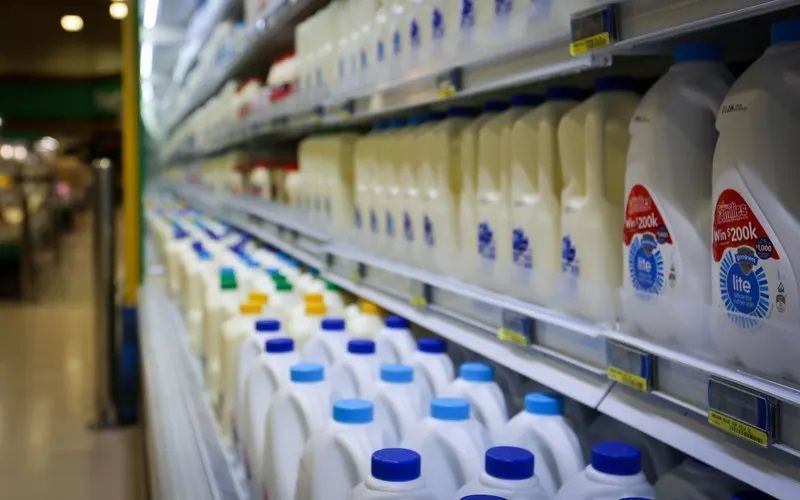
Australia’s large supermarket groups have begun another round of reductions on private-label drinking milk. The latest shelf-price changes range from 7 cents to 10 cents compared with August, affecting standard retail formats across the major grocery banners.
The revised prices put one-litre store-brand cartons at A$1.75. Two-litre bottles are priced at A$3.40, while three-litre containers have been reduced to A$4.95. The changes reverse earlier incremental increases that had been introduced as processors and distributors faced rising cumulative costs.
The retail reductions coincide with a recovery in Australia’s raw-milk supply. National deliveries reached a low of 8.26 billion litres in the 2022-23 season, according to the production data cited in the report. Supply subsequently increased across later production cycles, reaching 8.65 billion litres in 2025-26.
Higher intake volumes give dairy plants more milk to process and improve the use of factory capacity. Lower retail prices, however, reduce the total value available to be distributed among businesses involved in the supply chain. Processors remain exposed to elevated manufacturing expenses, refrigerated transport costs and industrial electricity tariffs.
Private-label bottling agreements provide processors with less room to respond to sudden cost increases than commodity businesses whose prices can adjust with international markets. These contracts generally operate on narrow packing margins, leaving manufacturers with limited scope to pass on higher operating expenses. Farmgate pricing is also linked to retail conditions, particularly in southern dairy regions where milk is divided between fluid products and exports such as milk powder, butter and cheese.
Competition among milk buyers has kept payments to farmers comparatively firm as companies seek to retain suppliers and preserve available milk pools. A broader price contest among supermarket operators would place additional pressure on processors and could restrict their ability to offer continuing increases or premium payments under commercial supply agreements, according to the report.
Industry discussions have also focused on the competitiveness of domestic food manufacturing. Stakeholders are calling for regulatory changes, measures to reduce energy costs and frameworks that support capital investment. The report identifies commercial pricing arrangements that reflect manufacturing expenses as part of efforts to maintain processing operations and regional dairy infrastructure amid changing retail conditions and international competition.