
Australian Dairy Farm Cuts Antibiotic Treatment at Dry-Off by 80%
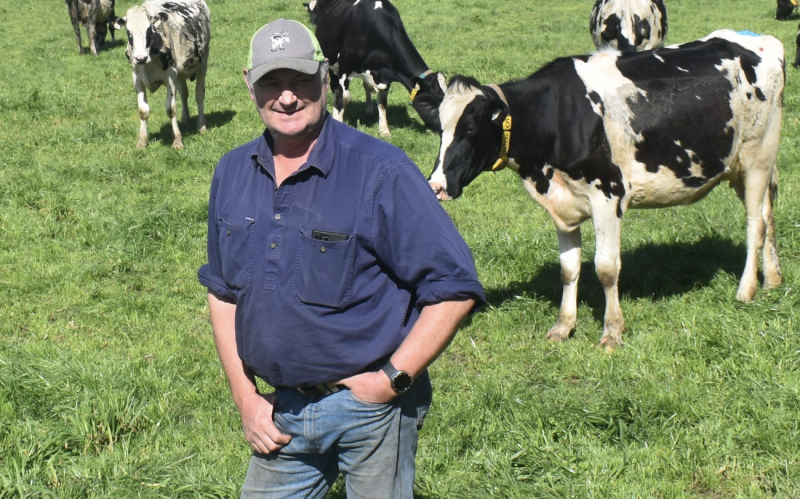
Farmers Mark Billing and Sam Simpson had previously used antibiotic dry cow treatment across the entire herd. They changed their approach because of a shortage of treatments, rising costs and requirements to record antibiotic use. To identify which animals needed treatment, the farm used milk testing data and a DataGene tool that allows farmers to set somatic cell count thresholds.
According to Billing, cows received antibiotics if any test during the year showed a somatic cell count above 250,000. The threshold for first-lactation animals was 100,000. In a group of 50 cows being dried off, no more than ten usually required antibiotic treatment. All cows continued to receive an internal teat sealant to protect against new infections during the dry period.
“We’ve saved a lot of money and haven’t seen any negative health impact on the herd,” Billing said. According to him, the number of mastitis cases was about the same as in previous years, while the herd’s somatic cell count was lower than last year. He acknowledged that other factors may also have contributed to that result.
The farm is also using data to rebuild its herd after the 2024–2025 drought. During that period, it reduced cow numbers from 400 to 300, drawing on genotyping and herd testing results to decide which animals to retain. The herd has since grown to 350 cows. Genomic data helps the farm decide which cows to breed replacements from and which to inseminate with Angus beef semen.










