Australia Moves to Tackle Feral Camel Surge in Remote Communities
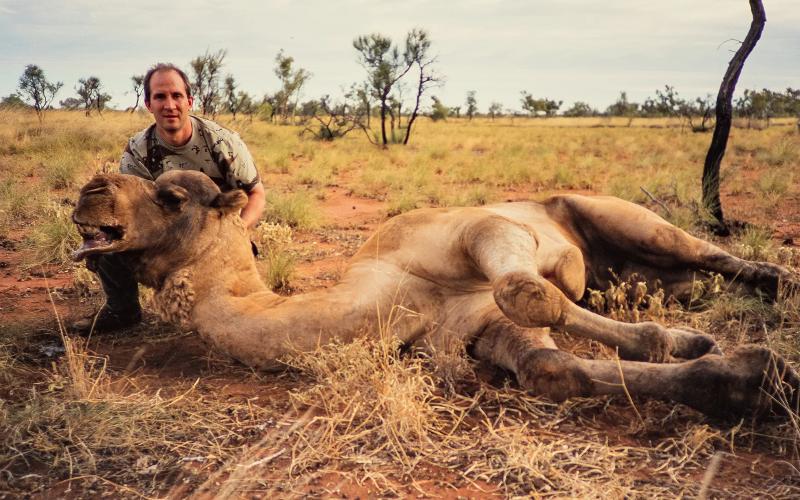
Prolonged dry conditions have driven hundreds of animals into Indigenous settlements, where they have destroyed water mains, fences, and buildings, leaving residents without water during temperatures exceeding 40°C. Near Mount Liebig, residents have reported “camel trains” of up to 800–1,000 animals stretching several kilometres.
In response, the Northern Territory government, local councils, and the Central Land Council have formed a joint task force and begun a three-day aerial culling operation, removing an estimated 150 camels per day.
Officials warn the problem is escalating as the camel population can double every 7–9 years. While federal authorities say invasive species management is primarily a regional responsibility, funding has been allocated to support habitat protection and camel control programs.
Indigenous representatives say the measures are necessary to protect people, infrastructure, and the environment, while also calling for humane practices and the creation of water points away from communities to reduce future conflicts.