
Arla unveils Kaduna school feeding pilot using yoghurt from its Nigerian farm
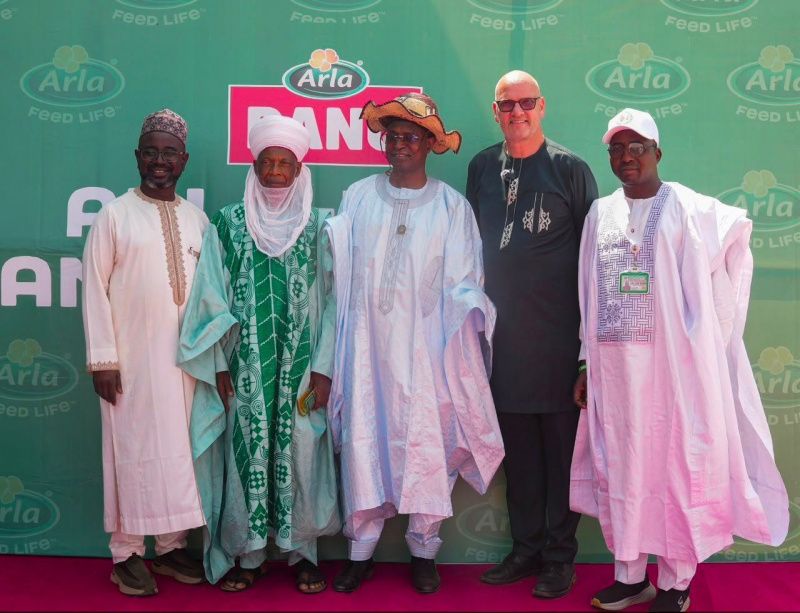
The planned feeding scheme would supply participating pupils with fresh yoghurt produced at Arla’s Damau farm several times each week. Implementation will start with selected schools in Kaduna, working with the Milk Value Chain Foundation. Arla’s stated objectives include better access to nutrition for children, support for educational outcomes and additional demand for milk produced locally. Murtala Dabo, Kaduna State’s commissioner, attended on behalf of Governor Senator Uba Sani and welcomed the initiative. He reiterated the state government’s support for dairy investment and highlighted the potential for school meals incorporating local milk to support farmers’ sales and children’s nutrition.
The open day took place at the Arla-Dano Farm in Damau, Kaduna State. Visitors toured the facility and watched practical demonstrations covering dairy operations, livestock care, feeding and technologies used in milk production. The sessions addressed the day-to-day requirements of running a modern dairy farm and methods for improving operational efficiency. Farmers, industry specialists and service providers exchanged technical knowledge, while more than 20 suppliers offering dairy equipment, products and services participated.
A live milking demonstration recorded a maximum daily output of 57 litres from one cow. The farm keeps more than 450 Friesland Holstein cattle. The demonstration compared that output with the reported usual yield of a Fulani cow, at 1–2 litres a day, illustrating production differences between specialist dairy breeds and indigenous cattle kept under different management systems. It also covered breed selection and the conditions required for commercial milk production.
Animal feeding, veterinary provision, accommodation, breeding practices, cleanliness and professional management were among the factors identified as important to milk yields. Guided visits gave participants practical exposure to these aspects of herd management, alongside the technologies used on the farm. The event’s programme also addressed the role of investment, technical skills and cooperation in expanding Nigerian dairy production and improving local supply chains.
At the opening session, Elele Ogunsanya, Arla Foods Nigeria’s head of corporate affairs and communications, outlined the company’s work to develop domestic milk production and support communities involved in the dairy supply chain. She described dairy’s contribution to nutrition, farmers’ livelihoods and economic activity. Alongside product sales, she said, Arla’s Nigerian operations focus on strengthening farming capabilities, transferring technical expertise and establishing partnerships to support the industry.
Alhaji Idi Mukhtar Maiha, Nigeria’s minister of livestock development, called for sustained cooperation between public institutions, dairy businesses, farmers and development organisations. He identified better access to nutritious food for children, reliable farmer incomes, stronger domestic milk supply chains and jobs throughout the livestock sector as priorities. He also urged further investment and coordinated programmes to increase local output, support community livelihoods and expand opportunities for young people working in livestock-related activities.
The sector-development priorities discussed included improving Nigeria’s milk production and processing infrastructure and reducing reliance on imported dairy ingredients. Areas identified for coordinated investment ranged from cattle genetics and animal nutrition to veterinary services and farmer training. Milk-collection facilities and processing capacity were also among the requirements outlined for developing domestic production.










