Arla finds British dairy farmers struggle to recruit skilled workers
Arla’s seventh annual survey of dairy farmers found that the skills shortage remains widespread in British farming. Among farmers who had vacancies, 82% said very few or none of the applicants possessed the required skills. The proportion has remained above 80% in each of the past seven years.
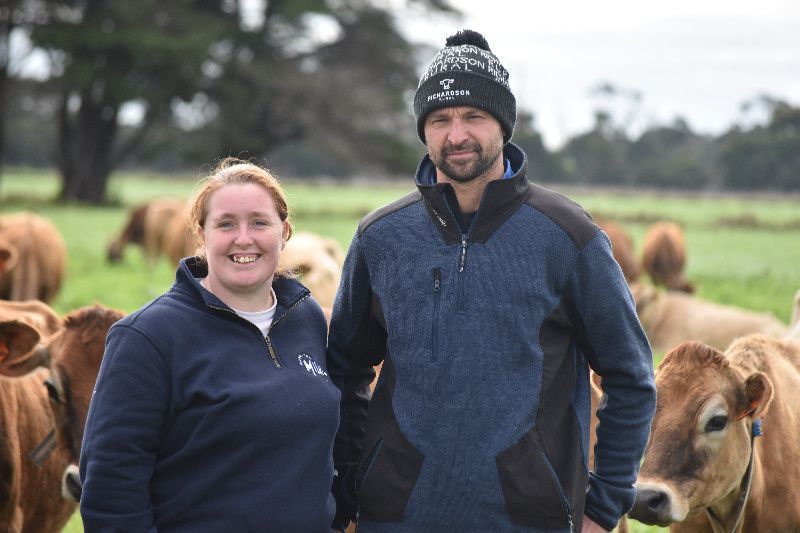
Almost 65% of respondents identified better education and training as the most effective measure for attracting people to the industry. Tim Dale, an Arla farmer, said that producing food depended on having enough skilled workers. He described modern farming as involving business, science and technology, and called for clearer routes into agricultural careers.
The recruitment problem also extends beyond farms. Arla’s data showed that hiring an engineer for its supply chain takes about 105 days, compared with an average of 58 days for other roles. The company described the skills gap as significant and said the need to address it was clear.
Arla said attracting younger workers was a particular priority. Some 48% of farmers surveyed were aged over 55, while the average age of workers in the supply chain had reached 46, compared with 40 in 2018.
Paul Dover, agriculture director of Arla Foods UK, said workforce difficulties had affected the food supply chain for several years. He said the company wanted to change perceptions of the sector, make it more attractive and broaden its pool of potential employees. Bas Padberg, managing director of Arla Foods UK, said food production, processing and transport all depended on a skilled workforce.
Arla has expanded its work with young people and launched a national outreach programme. The initiative is intended to present modern careers in food production and address barriers to recruitment, according to the company. It will involve more than 100 schools and reach 100,000 young people, highlighting the range of roles available across food and farming.