Argentina's Mozzarella Production Sends 60% to Pizzerias

An analysis by Hernán Allasia, a food-technology and regulation engineer and senior consultant, estimated Argentina’s mozzarella output at between 108,000 and 110,000 tonnes in 2023. The report, titled Integral Analysis: The Mozzarella Value Chain in Argentina, places the figure against national cheese consumption of about 12kg per person each year.
Production was estimated at approximately 95,000 tonnes in 2019, 100,000 tonnes in both 2020 and 2021, and 105,000 tonnes in 2022. The 2023 estimate represents an increase of about 14-16% from 2019, depending on which end of the latest range is used.
Pizzerias were the largest identified outlet for the cheese, receiving around six in every ten kilograms produced. Food-processing companies accounted for an estimated 25% of the market, while domestic consumption represented the remaining 15%. Buyers serving restaurants and food manufacturers place particular importance on how mozzarella behaves during cooking, including its melting, elasticity, flavour, moisture and consistency from one batch to another.
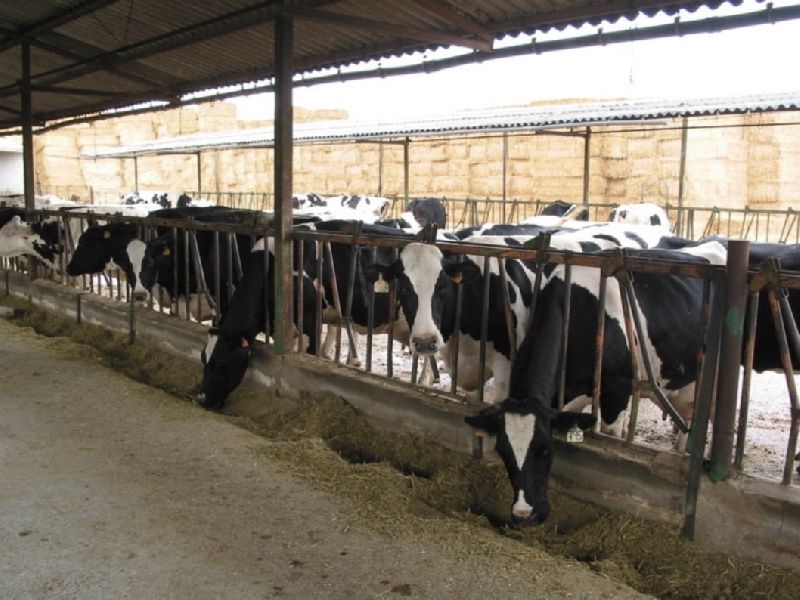
Mozzarella production also has a substantial milk requirement. The analysis estimates that between nine and 11 litres of milk are needed to make one kilogram of cheese. Milk composition, especially the balance between protein and fat, affects cheese yield. The report lists herd health, the nutritional composition of the milk and maintenance of the cold chain as central features of primary production.
Mozzarella is a stretched-curd cheese. Its manufacture includes coagulation, acidification, stretching and subsequent cooling in brine. The process described in the analysis targets a pH of about 5.2, while stretching takes place at temperatures between 75°C and 85°C. Industrial plants have introduced automated systems to monitor these parameters and improve uniformity between batches. The properties of the raw milk and the processing conditions determine the characteristics of the finished cheese used by pizzerias and food companies.
The product’s history in Argentina is linked to Italian immigration in the late 19th century, which brought knowledge of traditional pasta filata cheeses. Local manufacturers adapted those techniques to the availability of cow’s milk and to domestic production methods, including changes to acidification and stretching. The resulting mozzarella became closely associated with Argentina’s pizza trade.
The report also identifies whey management as an issue for the cheese industry. It examines the potential value of using whey components in ingredients or other products. Other areas identified for development include Industry 4.0 tools, stronger traceability and differentiation by quality. Automation can record critical processing variables and reduce variation between batches, while traceability can document the route from raw milk to finished cheese. The analysis states that these systems are relevant to companies considering wider export opportunities.