Aguascalientes cattle theft remains under control
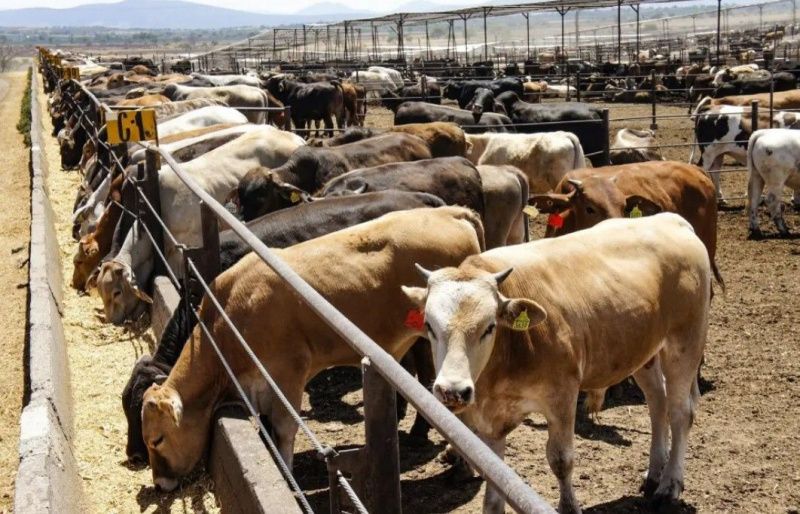
Representatives of the state’s livestock organisations said cattle theft, known locally as abigeato, has remained at a low incidence in the main production zones. The groups said operational co-ordination with the State Secretariat of Public Security, municipal police and the state prosecutor’s office has helped disrupt the removal of live animals from both beef ranches and dairy farms.
Authorities and producers have strengthened identification and movement records. Inspectors verify the ear tags required under the National System for the Individual Identification of Livestock, while the Electronic Livestock Movement Register must be presented at inspection points and animal-health checkpoints. These requirements make it harder for animals without proof of lawful ownership to move along state roads or across borders into neighbouring states.
The controls protect investments in genetic improvement, biosecurity and farm-management technology made by producers in the Aguascalientes basin. The loss of high-yield dairy cows or registered breeding bulls can cause an immediate financial loss and interrupt production cycles lasting several years. The livestock sector is also operating amid pressure from feed-grain costs and drought.
Monitoring extends beyond roads and rural tracks. Municipal slaughterhouses, federally inspected TIF facilities, meat-packing plants and local butcher shops are subject to checks. Before animals can be slaughtered, officials require origin documents and health certificates, which limits the sale of meat that has not passed inspection.
Livestock leaders have nevertheless urged producers not to become complacent. They called for immediate reports of irregularities or suspected incursions into livestock pens. The organisations said legal certainty and security for farming are important to maintaining conditions for investment and rural development, as well as for the supply of milk and meat in the state.