Agroforestry in Benin: Enhancing Dairy Production Amid Climate Challenges
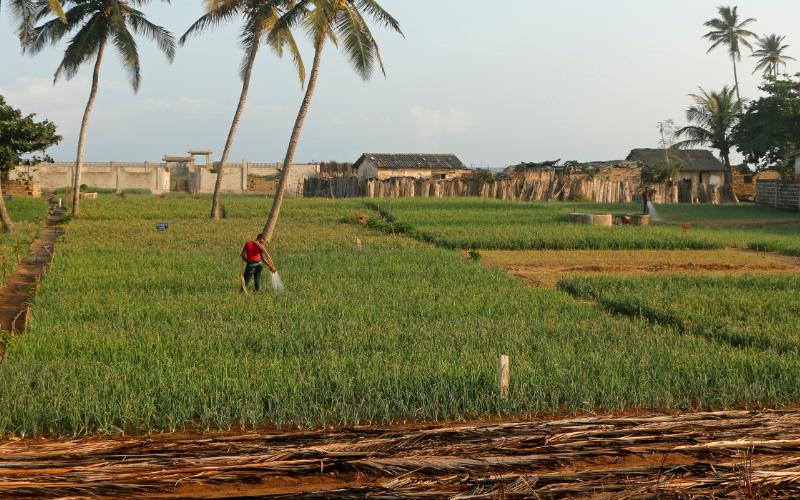
A study conducted in the drylands of Benin, West Africa, reveals that integrating trees with livestock farming can significantly enhance dairy production. The research involved monitoring 447 dairy cows on 40 smallholder farms, comparing traditional open grazing systems with agroforestry practices. The findings indicate that cattle in agroforestry systems, where trees are intentionally integrated with livestock and crops, produced nearly three times more milk per day than those in conventional systems.
The study highlights the role of trees in providing shade and additional feed during dry seasons, which are becoming increasingly unpredictable due to climate change. These trees offer essential nutrients, helping to maintain cattle health and improve calf survival rates. The integration of trees also contributes to creating cooler microclimates, reducing heat stress on the animals.
Historically, farmers in West Africa have utilized native trees and shrubs to feed livestock, especially during droughts. However, expanding agriculture and land pressure have reduced the prevalence of such practices. The study suggests that agroforestry is a climate-smart solution that aligns with global sustainability goals by storing carbon and enriching soil quality.
Despite its potential, tree-livestock systems are often overlooked in agricultural policies. The study calls for enhanced support, such as secure land tenure and access to tree seedlings, to bolster these systems. It emphasizes that local knowledge should be integrated into development strategies rather than replaced.