Agricultural Blockades in Mexico Threaten Dairy Supply Chain and Commerce
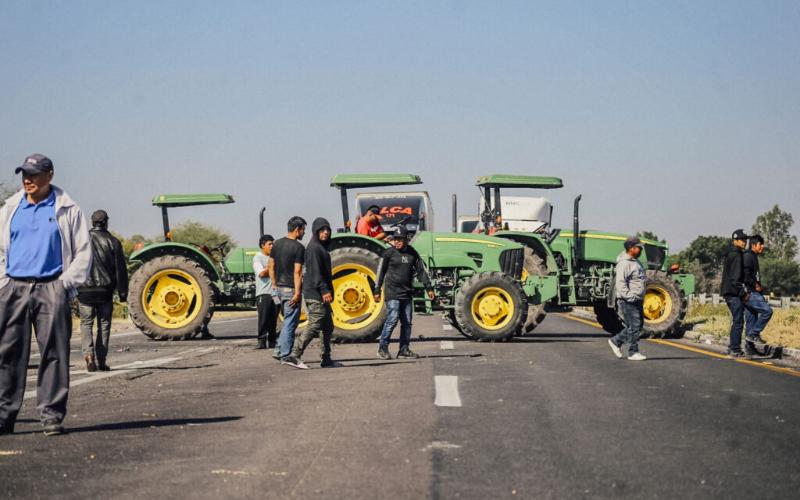
The recent announcement of a third agricultural blockade by Mexican agro-producers and transporters is posing a critical threat to the dairy product supply chain in Ciudad Juárez. According to representatives from Index and Canaco, previous blockades nearly resulted in a complete shortage of dairy products, with milk and cheese being the most impacted due to their reliance on imports.
Iván Pérez Ruiz, President of the local Chamber of Commerce, emphasized the vulnerability of the dairy supply chain in Mexico's most active border region. María Teresa Delgado Zárate, Vice President of Index Juárez, estimated daily export losses at $250 million due to these blockades. She highlighted the logistical disruptions affecting strategic sectors like automotive, aerospace, and medical industries, alongside basic commodities supply.
The agricultural producers have demanded federal government intervention to create a food reserve via the 'Alimentación para el Bienestar' program, release stored grains, and impose fixed prices. With over 13.4 million tons of beans, corn, wheat, and sorghum stored, they also seek safety assurances for truck drivers on highways.
The impact on Mexico's export manufacturing industry is substantial, with increased costs from idle hours, higher fuel consumption, and goods accumulation at ports and customs. The dairy sector, heavily dependent on imports from the United States, faces operational paralysis threatening regional supply continuity.
Business representatives urged agricultural and transport sectors to consider the broader economic impact, as the backlog from previous blockades remains unresolved. Ciudad Juárez, a crucial hub for Mexican foreign trade, is under growing tension as dairy producers, industrialists, and traders rely on the steady flow of perishable goods across the northern border.