Aged Provolone Market Shows Mixed Growth Amid Dairy Risks
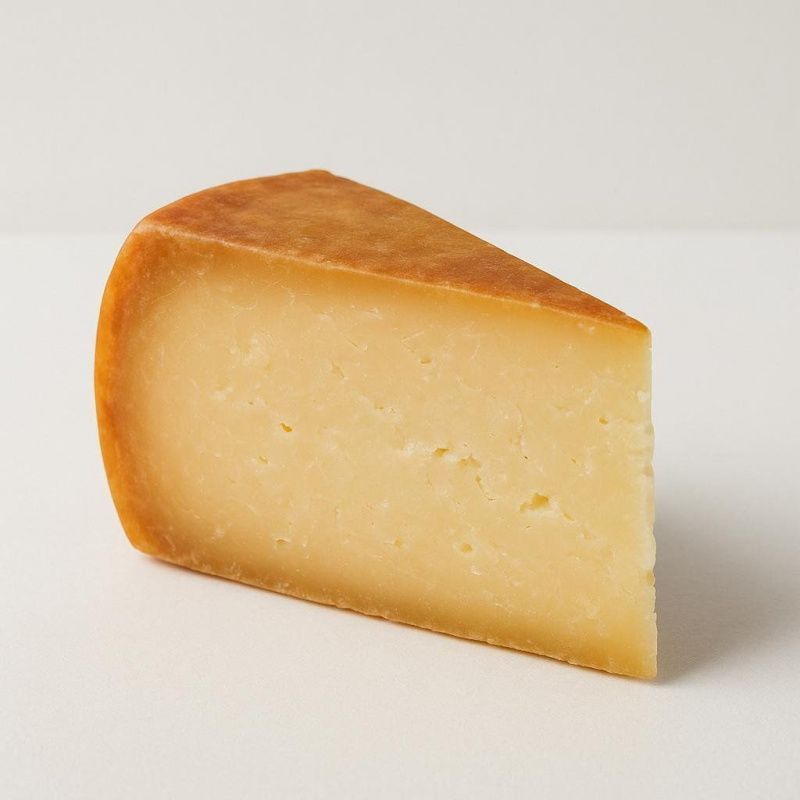
Aged provolone is an Italian-origin cow’s-milk cheese made through the pasta-filata process, in which curd is heated, stretched, shaped and salted. Subsequent maturation gives the cheese a firmer texture and stronger flavour. It is commonly sold as a refrigerated finished product for retail, delicatessen, packaged-cheese and foodservice use.
International trade data do not usually identify aged provolone separately. The product is generally included in the wider HS 0406 category for cheese, so assessments of cross-border activity rely largely on broader import and export figures. The United States, Germany, France, Italy and the Netherlands are among the main producing countries. Germany, the Netherlands, France, Italy and New Zealand are listed as major exporters, while the United States, Germany, Britain, France and Japan are major importing markets.
Demand and production
Consumption in established dairy markets is relatively mature. Foodservice applications and selected emerging import destinations provide areas of additional demand. Pizza and sandwiches use provolone for its melting, slicing and shredding properties; retail deli counters and packaged cheese are other important outlets.
Italy retains a role in origin-linked and protected segments, including Provolone Valpadana PDO and Provolone del Monaco PDO. Other varieties include Provolone Dolce, Provolone Piccante and smoked provolone. Large cheese-producing economies, including the United States, Germany and France, also maintain substantial industrial capacity in pasta-filata and related cheese categories.
Milk availability varies by region and season. Northern European output generally reaches its annual high in spring and summer, while the United States follows different seasonal patterns. New Zealand’s export-oriented dairy industry has its main production period during the Southern Hemisphere spring. Stocks of aging cheese can moderate the immediate effect of these changes because finished products remain in storage while they mature.
Costs, safety and compliance
Raw milk supply and pricing are significant considerations for producers. Feed, energy and milk costs contribute to manufacturing expenses and can affect export competitiveness. Heat stress and drought-related shortages of animal feed are among the climate pressures that may restrict milk supplies in major dairy regions, with possible effects on cheese prices and procurement agreements. Buyers may use several suppliers and adaptable specifications for comparable cheese products when managing supply and price exposure.
Food-safety controls are particularly important for aged cheese sold ready to eat. Listeria monocytogenes and other contamination hazards can result in recalls or import holds. Slicing and packing facilities require hygienic procedures, environmental monitoring and validated cleaning systems, while refrigerated transport must maintain appropriate temperatures. Market rules also differ on labelling, origin statements, additives and protected geographical indications, requiring producers and exporters to apply compliance arrangements suited to each destination.
Environmental requirements
Environmental issues across the dairy industry are also relevant to provolone suppliers. Greenhouse-gas emissions, manure and nutrient management, animal-welfare practices and packaging waste can affect supplier qualification and access to markets. Retail and foodservice purchasers are increasingly requesting measurable sustainability credentials and reporting that can be audited.