
A Managed China Trade Deal Shields US Dairy Exports
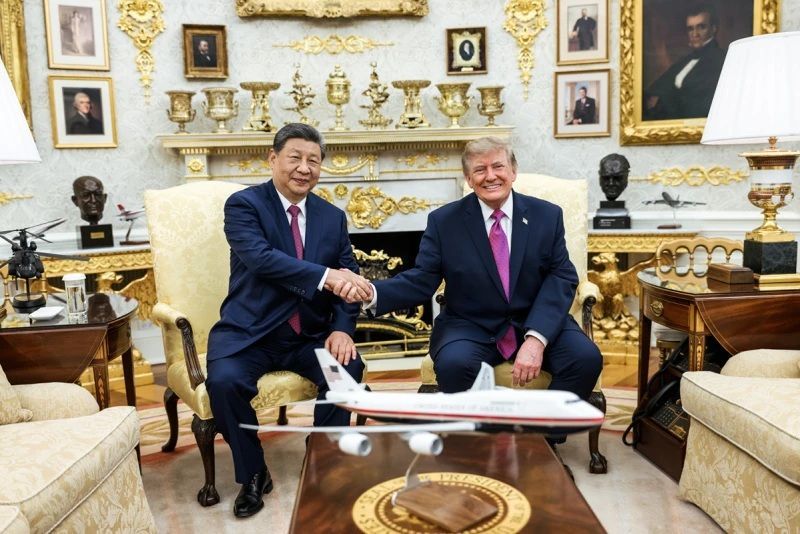
The agreement was reached during recent leadership discussions between Washington and Beijing. It covers reciprocal goods trade worth $30 billion, while returning tariffs to Most-Favoured-Nation levels. Soybeans are handled separately under a bilateral arrangement with a 10% tariff and direct state-purchasing commitments.
Other agricultural products are included in the managed-trade basket. The list specifically covers cheese, dry whey, lactose and milk powders. Restoring MFN rates removes the retaliatory duties that had placed US dairy ingredients at a tariff disadvantage compared with duty-free supplies from New Zealand and European exporters.
Gregg Doud, the NMPF’s president and chief executive, previously served as chief agricultural negotiator at the Office of the US Trade Representative during the Phase One negotiations. He said that re-establishing direct communication between the two governments was important for American dairy exporters. The framework also reopens executive channels for resolving disputes with Beijing.
China’s economic conditions were described by Doud as severely strained. The factors he cited included demographic decline, stagnant disposable income per person, weak consumer sentiment and very low domestic commodity prices, including for pork. Against that background, the agreement establishes purchasing expectations instead of leaving exporters entirely dependent on changing market demand.
Government-to-government procedures also provide a channel for addressing non-tariff barriers. US companies shipping perishable cheese and specialised whey products to Chinese ports have faced customs delays, changing requirements for registering facilities and sanitary and phytosanitary inspections. A bilateral channel allows officials to address such problems while consignments are in transit or held at ports.
US dairy export sales reached a record $9.5 billion in 2025 and shipments were running at a pace consistent with $10.5 billion in 2026. The industry is also expanding domestic cheese and whey-processing capacity. Predictable overseas sales of dry whey, permeate and cheese are therefore tied to clearing inventories and supporting farm-level milk prices as producers plan for 2027.










