A British Cheddar Producer Restores Pasture Diversity
Cheddar producers in southwestern England are changing the composition of grazing land used for premium farmhouse cheese. Some Somerset farms are moving away from high-input ryegrass leys and establishing more varied swards containing native wildflowers, chicory and deep-rooting legumes.
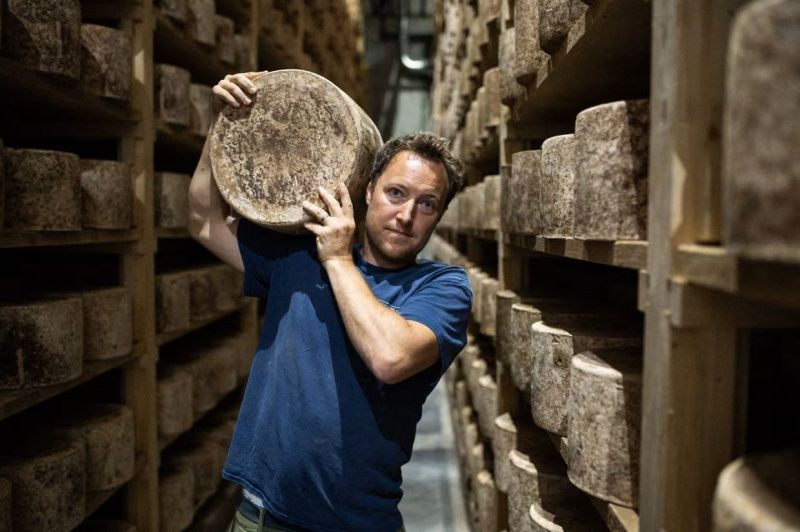
The revised pasture systems are intended to provide milk with characteristics suited to artisanal cheese production. Plant compounds such as terpenes and polyphenols can pass into milk fat and curd. Cheesemakers using unpasteurised milk process these inputs into matured farmhouse cheddar, linking local vegetation with flavour and ageing properties.
The transition involves a trade-off in farm output. Cows grazing multi-species leys may produce less raw milk than those on conventional ryegrass pasture, raising the cost of production per litre. Farms therefore need stronger cheese-conversion performance and higher wholesale returns to support their operating margins.
Mixed swards have also been used during recent dry periods. Ryegrass-only pastures dried out more quickly under limited moisture, while chicory and other tap-rooted plants reached deeper water reserves. This helped preserve dry-matter intake and green ground cover without supplementary irrigation.
Maintaining the new systems requires different field management. Establishment can involve specialist seed mixtures, rotational strip grazing and adjustments to soil nutrient levels, as well as initial capital spending. The added management requirements accompany the lower milk volume generated by each cow.
For farmhouse processors, milk from diverse pastures provides a way to distinguish their cheese from industrial cheddar made with standardised, blended milk collections. The model combines pasture management with artisanal processing and is being considered across traditional dairy areas as farms respond to heatwaves, irregular rainfall, rising input costs and movements in commodity markets.