Regenerative Dairy Farming Shows Promising Carbon Sequestration Results in UK
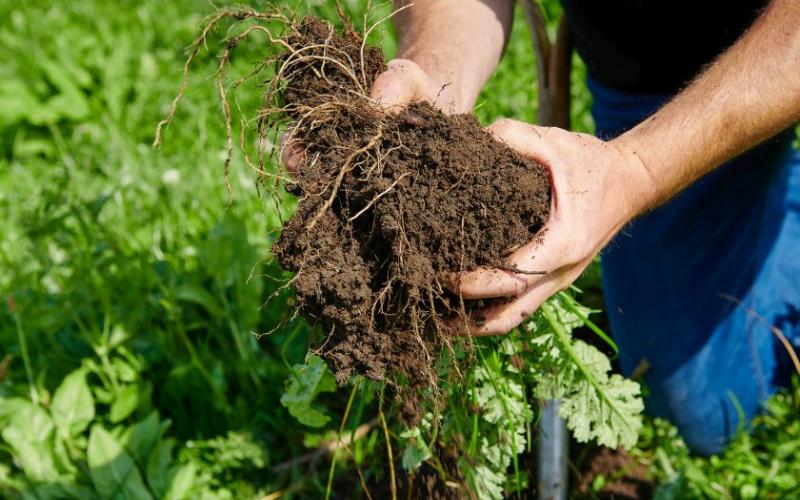
Regenerative dairy farming in the UK is showing promising early results in terms of soil carbon sequestration. A study led by First Milk, in collaboration with Agricarbon, has recorded measurable increases in soil carbon stocks, with some farms seeing gains of up to 8.9 tonnes per hectare. The research re-examined three farms nearly four years after initial baseline sampling, demonstrating that regenerative practices can lead to significant carbon increases.
Mark Brooking, Chief Impact Officer at First Milk, commented on the findings, noting that the results address debates about the reliability of soil carbon measurement. He emphasized the importance of proper measurement techniques and adoption of regenerative practices to witness real changes in soil carbon levels.
The soil monitoring programme, initiated between 2021 and 2022, involved collecting approximately 118,000 soil samples from 109 farms to a depth of one metre. This effort has resulted in one of the most comprehensive datasets on soil carbon in the dairy farming sector.
Agricarbon's co-founder and CFO, Alan Strong, stressed the importance of direct measurement in understanding soil changes. He pointed out that early re-measurement results indicate that farming practices are capable of producing measurable increases in soil carbon over relatively short periods.
Looking forward, a full five-year remeasurement programme is set to commence later this year, involving over 700 farms within First Milk's network. This expanded dataset aims to identify the most effective practices for carbon sequestration at a larger scale.
These findings could play a significant role in shaping carbon reporting frameworks and guiding future farming practices, providing valuable insights for the dairy sector's environmental strategies.