Global Feed Production Reaches 1.44 Billion Tons
Concentration of Production Intensifies
Leading economies continue to dominate the feed market. Ten countries account for 65.2% of global production, with nearly half (47.7%) concentrated in three countries: China, the USA, and Brazil.
China remains the largest producer with 330 million tons (+4.8%), the USA ranks second with 267 million tons (−0.8%), and Brazil shows growth to 89.9 million tons (+2.8%). Russia is in the top 10 with 38.3 million tons and a moderate increase of 1.1%.
Poultry and Swine as Growth Drivers
The sectors with high production intensity contribute the most to the increase in global production:
- broiler feed — 400.4 million tons (+3.7%);
- swine feed — 380.9 million tons (+3.0%);
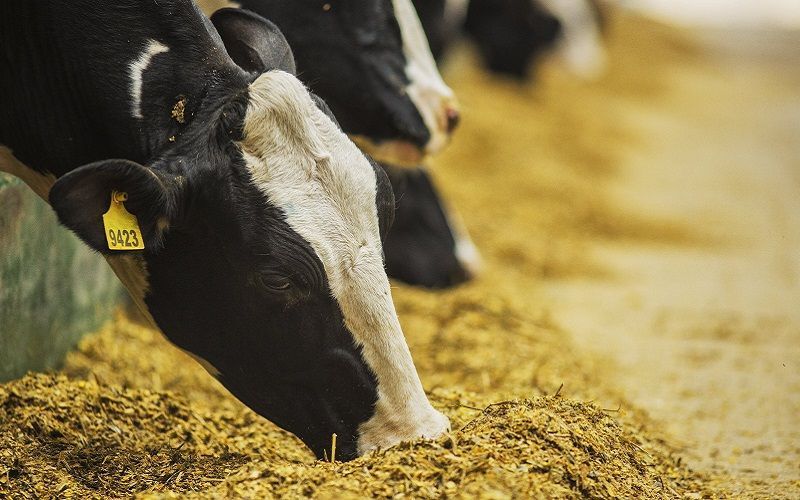
- dairy cattle feed — 170.3 million tons (+2.6%).
A more moderate dynamic is observed in the beef segment (+0.5%), reflecting limitations on herd expansion and longer production cycles.
Asia Maintains Global Hub Status
Asia remains the largest feed-producing region with 559.3 million tons. Growth is driven by livestock industrialization and a shift from on-farm feed production to commercial feed, especially in China.
North America experienced a slight decline (−0.7%) due to cattle sector limitations. Europe's growth was 1.0% due to improved raw material price conditions. Latin America increased production by 2.8% amid strong export demand.
Africa shows the highest dynamic (+11.5%), reflecting industry commercialization, while the Middle East is reaching a stage of structural saturation.
Industry Transformation Factors
Key factors influencing the feed market include:
- changes in animal protein demand structure;
- increased efficiency and sustainability requirements;
- price volatility for grain and protein components;
- epizootic risks, including foot-and-mouth disease and avian influenza.
Additional influence comes from market consolidation and feed formulation optimization, allowing producers to adapt to changing economic conditions, according to Alltech.