How Ukrainian Dairy Farming is Recovering
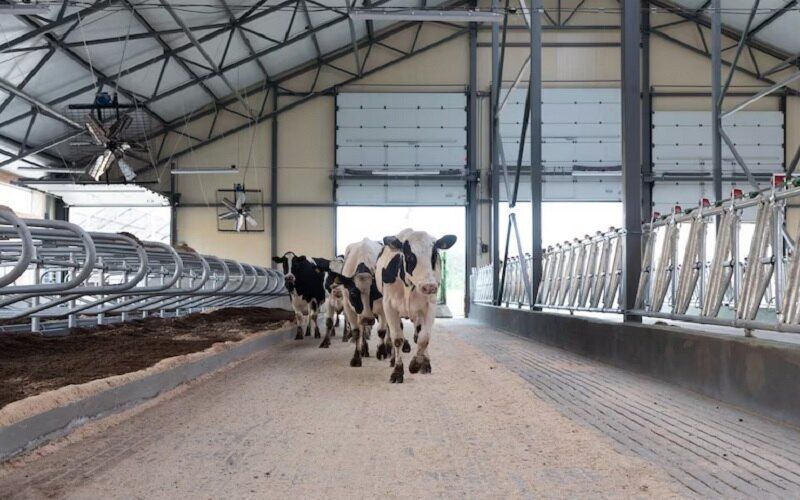
Chernihiv Region: From the Epicenter of Combat to a Cheese Production Hub
A company from Chernihiv, founded 20 years ago with just two cows, was managing 1600 hectares of land and maintaining 316 cattle, including 175 dairy cows with a yield of almost 8,000 kg of milk per cow per year before the war.
The village was caught in intense fighting, resulting in the loss of 156 animals, equipment, infrastructure, and feed supplies.
After de-occupation, the company not only resumed operations but also started cheese production, currently producing around 30 types of cheese, including Parmesan. Milk yield increased from 10 to 24 kg per cow daily, and productivity programs are ongoing.
Kyiv Region: Recovery Continues
An agro-firm in Kyiv was fully occupied in the early days of the war. With 1400 cattle and 20 tons of daily milk supply, farmers were forced to give away or discard the raw material due to logistical breakdowns. Following power and water outages, cows were released, and some perished.
After the return, farmers gathered the remaining animals and resumed milking within a month.
Today, the farm sells 435 tons of milk per month, with an average daily yield of 37-38 kg per cow, surpassing pre-war levels.
Kharkiv Region: Focus on Rebuilding Young Stock
The farm maintained 3631 cattle, including 1200 dairy cows, producing 36 tons of premium milk daily.
Combat actions resulted in the destruction of:
-
545 cows
-
503 heifers
-
40 pregnant heifers
-
161 bulls
The post-war period revealed that a significant number of cows had atrophied udder lobes, reducing productivity to 2.6 liters per cow.
Today, the metric has been restored: the company again receives 32 liters of milk per cow, with quality meeting high standards (SCC ≈ 80,000/ml, bacterial contamination — 30,000/ml).
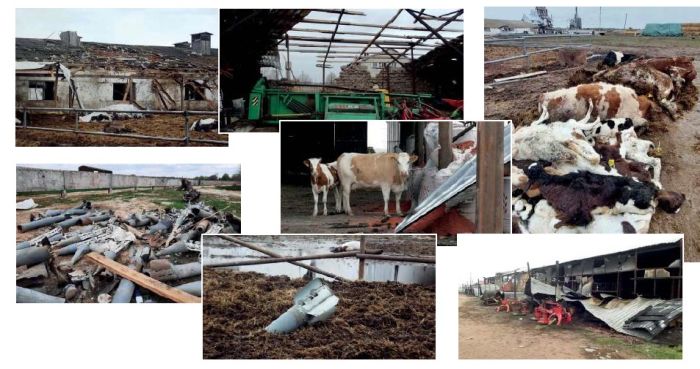
Photo: milkua.info
The stories of these three farms illustrate key drivers of industry survival: income diversification, investment in genetics and technology, resilient supply chains, community and labor market support. These enterprises not only recovered after destruction but also launched new directions (cheese-making, productivity management, processing) and improved their metrics.