William Ruto Shows Kenyans How His Dairy Farm Produces Milk
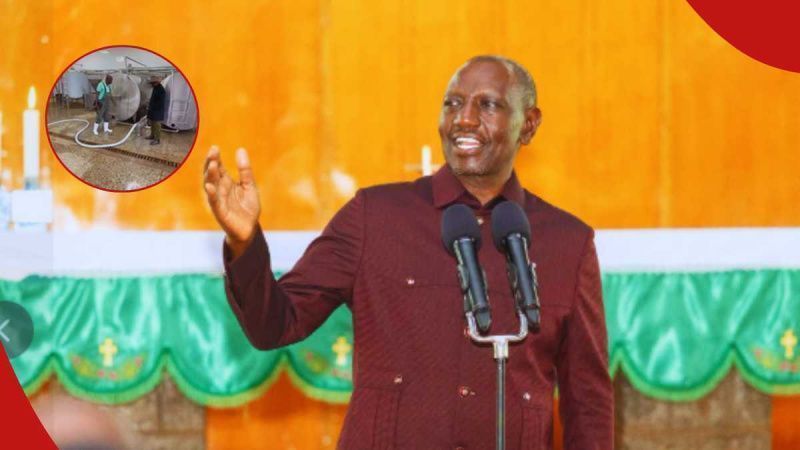
President William Ruto visited his Koliel Dairy Farm after completing tree-planting activities marking Mazingira Day. His aide, Dennis Itumbi, recorded and shared the tour online, giving viewers an account of how the farm handles milk production.
Ruto moved through several parts of the operation and examined the feed supplied to the cows. He gave instructions about feed quality before taking the camera crew towards the milking section, where the footage showed stages of the farm’s routine.
The video also featured the modern shed housing the animals. The facility appeared maintained and equipped in a way that contrasted with the setup commonly associated with smallholder dairy farms, according to the report.
The tour was published while Kenya was experiencing a milk shortage. Some supermarkets had reported thinner supplies, while parts of the country introduced rationing. In urban centres, the price of a 500ml packet was reported to have increased to between KSh 75 and KSh 85.
Agriculture Cabinet Secretary Mutahi Kagwe attributed the shortage to reduced availability of animal feed during a severe drought and to middle-market brokers offering more for milk than local dairy co-operatives. Kenya Dairy Board data reportedly showed formal deliveries to processors falling from 84.4m litres in June 2026 to 81.3m litres in July, followed by additional declines.
At the Agriculture and Food Systems Transformation Summit at Jamhuri ASK Showground on October 8th and 9th 2026, Ruto said Kenya had overtaken Egypt as Africa’s largest milk producer. He said annual output had increased from 4.5bn litres to between 5.4bn and 5.6bn litres.
Ruto also said he had instructed Jonathan Mueke, the principal secretary for livestock development, to examine the import of improved camel breeds and a sample of buffaloes. Discussing buffalo milk, he said: “If others are milking them, why can’t we do the same? What is wrong with that?” He added that camel milk sold for about KSh 190 to KSh 200 per litre in Nairobi.