Whey protein phospholipid concentrate offers high nutritional value
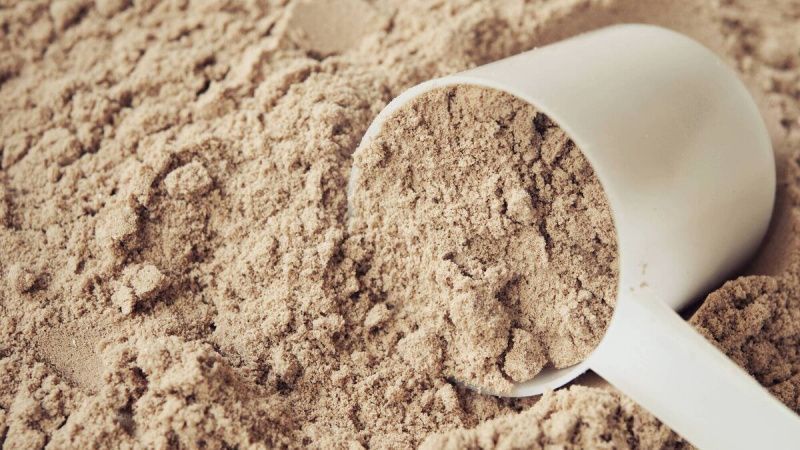
Whey protein phospholipid concentrate is generated during the production of cheese and casein. The material contains polar lipids, milk-fat-globule-membrane components and functional glycoproteins. Research described in the source identifies nutritional and bio-functional properties that have attracted interest from manufacturers of specialised human-nutrition products.
During the manufacture of high-purity whey protein isolate, processors use cross-flow microfiltration to remove residual milk fat and clarify the protein stream. The retained fraction contains phospholipids and fragments of the milk-fat-globule membrane. Its viscosity, emulsion behaviour and sensitivity to heat make it more difficult to handle than conventional whey streams.
Commercial facilities are adapting processing lines with low-temperature concentration equipment, spray-drying systems and hygienic handling infrastructure. These methods are intended to preserve sensitive protein structures and help producers meet specifications for protein, sphingomyelin and phospholipids. Ultrafiltration and microfiltration are used alongside specialised drying procedures.
Demand for functional lipids and dairy-derived bioactive fractions is expanding across consumer-health markets, according to the source. Preclinical studies have examined links between the concentrate’s composition and gut-microbiome diversity, bone-density maintenance and cognitive function. Clinical investigations are also assessing dietary applications for post-menopausal women, including the possible roles of dairy phospholipids and bioactive peptides in metabolic health and age-related bone mineral loss.
Manufacturers of infant formula and adult-wellness products are considering bovine milk phospholipids as alternatives to synthetic or plant-derived emulsifiers. Other potential uses include medical foods, specialised clinical diets and sports-nutrition blends. Such applications place the ingredient in higher-value categories than bulk whey powders.
For dairy processors, fractionation and drying equipment require additional capital investment. Conventional whey-drying operations are exposed to changes in prices for sweet whey powder and non-fat dry milk. Long-term agreements with clinical-nutrition companies are cited as one possible commercial structure for the specialised ingredients. Using more of each milk component can also affect cooperative distribution pools and producer payments, while higher butterfat and protein testing has been reported across major US milk-production regions.