Welsh Dairy Leaders Seek Strategy as Milk Prices Fall
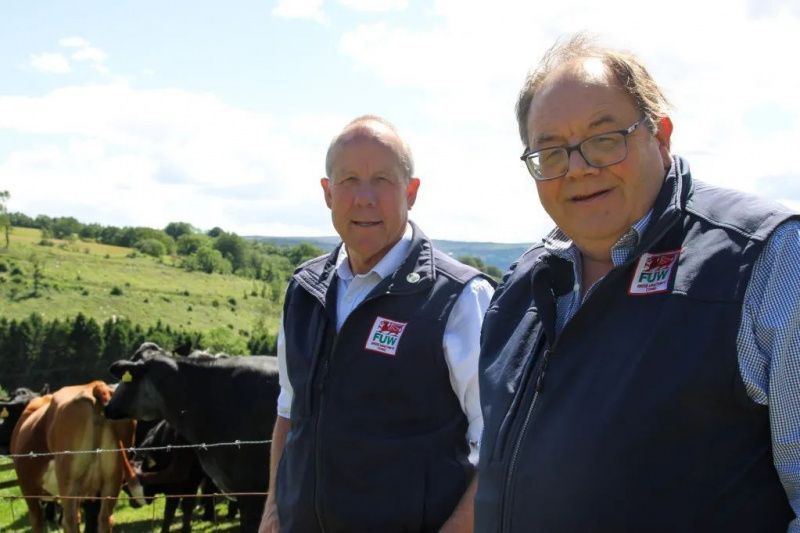
Average farmgate milk payments across the United Kingdom decreased by 16.3% over the year to August 2026, according to agricultural union data. The decline has increased cash-flow pressure on primary milk producers and prompted calls for a multi-decade framework for the Welsh dairy industry.
Almost half of the raw milk collected in Wales is sent outside the country for processing. Producer organisations say the shortfall in local balancing and processing facilities leaves farmers exposed to transport charges and deductions, while value-added production takes place in other regions. Dairy products are consumed by 99.6% of households in the British market, and industry leaders are calling for milk production and regional processing to be treated as critical national infrastructure.
Farmers are also facing higher costs and operational constraints. Record summer temperatures reduced pasture quality and led some herds to use winter silage earlier than planned. Disease-control requirements, including compulsory regional vaccination against emerging strains of bluetongue, have added veterinary expenses. Movement restrictions, environmental rules, volatile commodity prices and the cost of fixed capital have limited expansion at some holdings.
Godregarreg, near Llangadog, illustrates the pressures on commercial dairy businesses. After the complete removal of its herd because of bovine tuberculosis, the farm rebuilt its milking operation with Fleckvieh cattle imported from Austria and crossed with traditional Friesians. Its current herd of 140 dual-purpose cows produces milk with a high solids content under contract to multinational cheese manufacturers including Leprino for mozzarella production.
The holding covers 400 acres and includes a further 120 rented acres. Its operating history spans about 80 years, but restrictions on herd movements, regulatory obstacles and uncertain commodity prices have continued to limit further investment in buildings and herd numbers. Other Welsh farms have sought additional income by establishing free-range egg units, including operations with more than 32,000 laying hens.
Some dairy businesses have also installed renewable-energy equipment. One example is a 49.8-kilowatt solar photovoltaic system used to reduce electricity costs in the milking parlour, with surplus power sold to the National Grid. Advisers and agricultural lenders say such diversification can provide alternative cash flow, but it does not permanently make up for a gap between milk production costs and wholesale purchasing prices. Banks have reported less working-capital capacity at single-enterprise dairy farms without other income sources.
Trade representatives are seeking pricing mechanisms and procurement contracts that reflect on-farm costs and commercial risk. They say payments can fall below production break-even levels during market troughs, requiring farmers to use working capital and delay equipment upgrades. Their proposals include moving away from short-term spot adjustments towards contracts offering five- to ten-year planning horizons. For 2027, the priorities identified by industry representatives include domestic processing facilities, more value-added manufacturing and changes to supply-chain contract standards.