Welsh dairy farmers remain below break-even despite higher prices
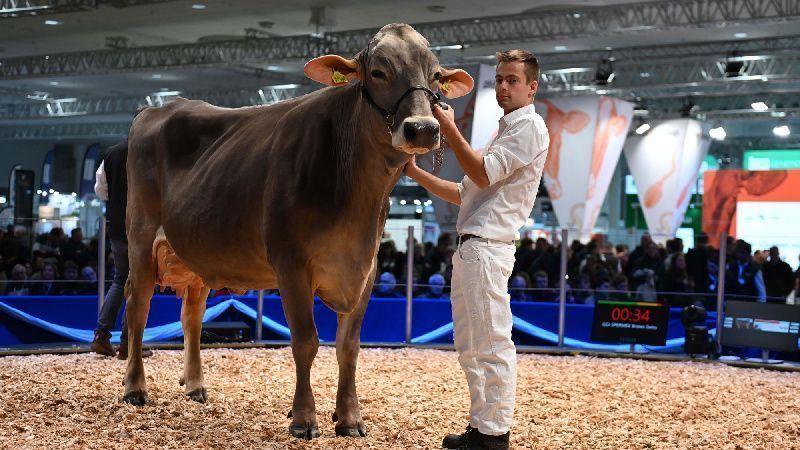
Welsh dairy farmer Dyfrig Griffiths said producers were still supplying milk for less than the cost of production, despite recent increases in farmgate prices. Griffiths, who farms near Cardigan, holds the position of vice-president of the Welsh Dairy Show. A farmgate price is the payment received by a farmer before transport, processing, packaging and retail costs are added.
Griffiths currently receives 39p per litre. He said his costs had risen above 40p per litre during the year, with fuel and fertiliser among the expenses that had increased. His price had risen by 3p per litre in September and another 6p in October, but he said the combined 9p increase had not restored profitability.
He said the farm had received 30p per litre during the previous year, while his estimated production cost at the beginning of that period was 38p. That left an 8p shortfall on each litre. Griffiths added that every additional penny per litre represented about £4,000 a month in his milk payments. He said the farm had therefore recorded substantial losses before the recent price increases.
Griffiths attributed the rise in the price paid to farmers to a fall in national milk production during a drought, followed by a return to balance between supply and demand. Milk payments vary according to supply and demand and the buyer to which each farmer supplies milk. Griffiths said that, at 39p per litre, the business was closer to break-even, but that higher operating costs meant it was still losing money.
Consumer prices have also risen, although the figures cited in the report show a smaller change in purchasing behaviour among several Welsh consumers. Office for National Statistics data put the average price of four pints of whole milk at £1.66, compared with £1.10 in 2018. That represents an increase of slightly more than 50%. People interviewed in Cardigan said the change had not altered the amount of milk they bought or used.
Christine Lillywhite said she used about six pints a week and continued to use milk in drinks and cooking. Hugh Bevan said he consumed roughly three pints weekly and paid little attention to prices. Sara Smith described the 56p increase since 2018 as manageable in the context of inflation, while noting that it could matter more to households with three or four children.
Enfys Wyse, who runs a tearoom in Cenarth, Ceredigion, said her weekly milk bill had increased by £35 over the past decade. Her business uses between 10 and 12 two-litre bottles a day in summer and five or six in winter. She said milk was required for coffee and pancakes and that the increase had not seemed excessive.
NFU Cymru said farmers faced renewed pressure on margins as winter approached, when costs can be particularly high. The organisation said the Welsh dairy sector was worth £929m to the economy and called for greater stability. The Farmers' Union of Wales requested a long-term strategy to address fluctuations in milk prices and input costs.
The Welsh government said dairy farmers were facing specific pressures linked to global oversupply. It said its agricultural schemes offered support intended to improve farms' financial and environmental performance. The government also cited a £1bn funding commitment and the Sustainable Farming Scheme, which is available to all farmers.