Waikato Dairy Farms Attract Buyers as Rural Market Rebounds
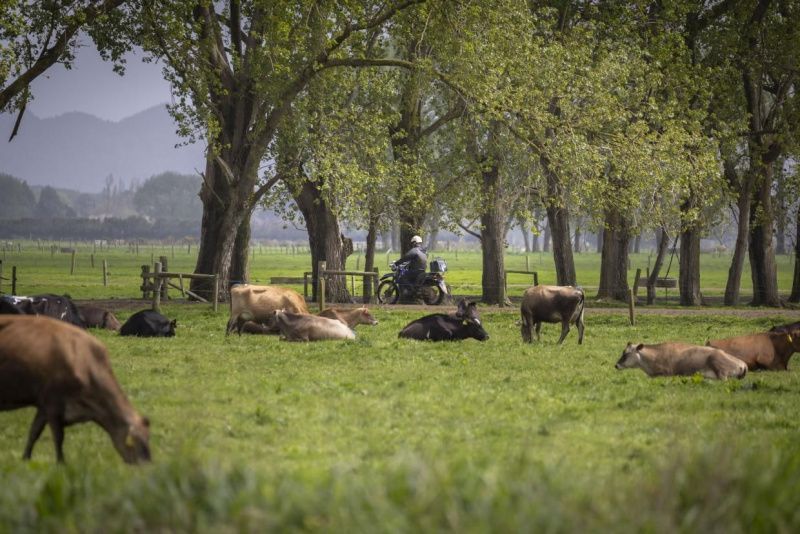
New Zealand’s rural property market is recovering in its main dairy-producing region, with Waikato agents reporting more enquiries and faster movement of listings. The renewed activity follows a period when environmental compliance obligations and expensive borrowing had restrained transactions. Buyers now include dairy operators seeking expansion land, rural investors and corporate agricultural funds.
Higher expected farmgate milk returns have improved cash-flow visibility for family-owned and larger dairy businesses, according to the report. Advance payments and relatively steady global dairy commodity prices have also supported farm balance sheets. Some established operators are using accumulated equity to purchase adjoining support blocks, enlarge milking areas and obtain land for dependable feed production.
More stable on-farm interest rates have added to buyer confidence. Multi-generation farming families, equity partnerships and institutional agricultural investors that held back during the period of peak rates are competing for properties regarded as high quality. Listings with upgraded effluent systems, automated rotary milking sheds and valid environmental approvals have recorded particularly short marketing periods and strong clearance rates.
The strongest activity has been reported in Waipā, Matamata-Piako and South Waikato. These districts offer fertile soils, reliable rainfall and access to large dairy-processing facilities. Demand has also extended to grazing properties and dairy support farms. Farmers are seeking additional control over feed supplies and winter stocking arrangements, reducing their reliance on external feed markets.
Prospective purchasers continue to examine freshwater rules and farms’ plans for managing emissions as part of their due diligence. The reported competition comes ahead of New Zealand’s spring rural trading season. The Waikato Times and Rural News Group reported the increase in sales activity, which follows renewed interest in pastoral farmland among domestic farming businesses and rural capital.