Vietnam Establishes Local Forage Chain to Reduce Dairy Feed Costs
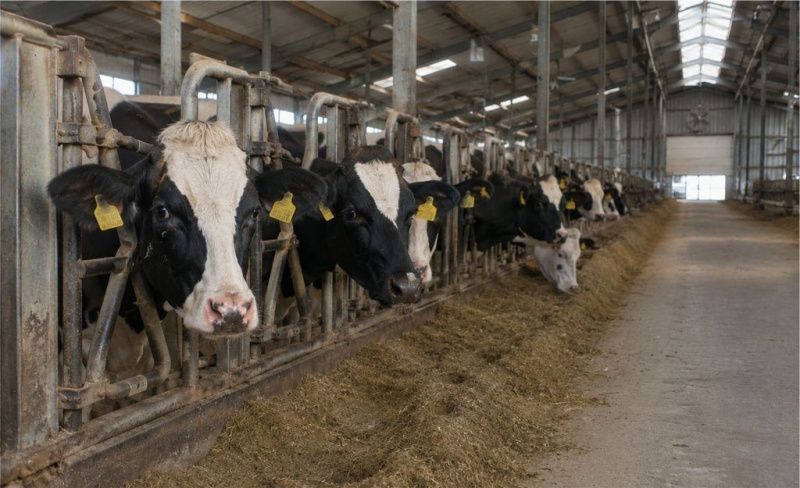
In Vietnam, feeding costs account for 60% to 70% of the total expenses for dairy farms. As a response, the country has developed a structured 'Interconnected Food Chain' to mitigate the cost by locally producing forage of consistent quality.
This chain involves three primary segments: local farmers, dairy farms, and processing companies. Initially, farmers are converting fields from low-efficiency crops to high-yielding forage plants like biomass corn and grasses that provide year-round green fodder. These plants also offer environmental benefits such as soil coverage, erosion reduction, and improved soil fertility.
Dairy farms play a crucial role as technology transfer centers, distributing standardized corn seeds to farmers, ensuring adherence to farming norms like VietGAP, and monitoring pesticide residues and harvest times. Collected at stable and contracted prices, the forage is used to create Total Mixed Rations (TMR) to meet the nutritional needs of the cattle.
Finally, processing companies receive high-quality milk with low microbial content, enabling them to produce competitive products like pasteurized milk, UHT milk, yogurt, and cheese for both domestic and international markets.
Agricultural expert Hoang Trong Thuy highlights that this model not only strengthens Vietnam's dairy industry but also provides sustainable livelihoods by keeping rural families involved. Farmers transition to become long-term partners, sharing benefits and gaining professional skills, thus enhancing their status in society. Thuy asserts that the success of this model lies in integrating sustainable production practices and fostering cooperation across the supply chain.
The integration demonstrates that a thriving dairy system goes beyond having large farms or advanced factories; it requires a stable raw material source, skilled producers, and enduring business partnerships.