Veracruz Producers Endorse Support for Livestock Genetic Improvement
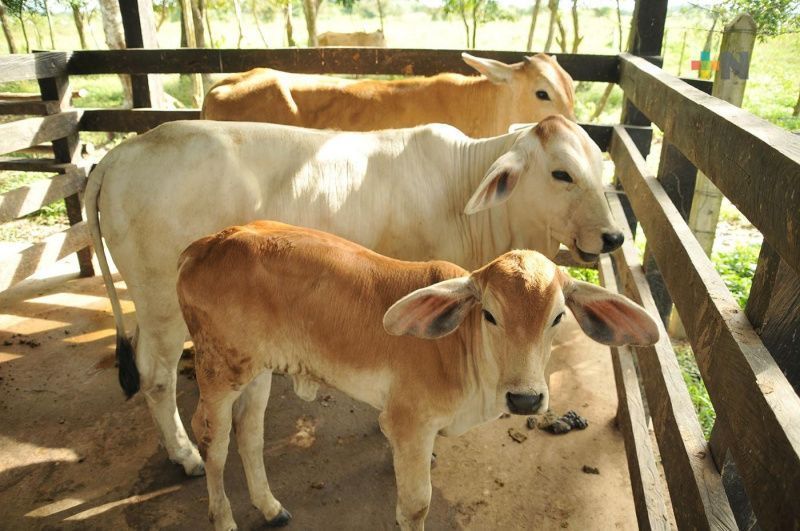
Livestock producers and farming associations in Veracruz have recognised government support intended to improve the genetics of cattle herds. The programmes provide assistance and incentives for acquiring registered breeding bulls and certified biological material, according to the report.
Veracruz is described as Mexico’s leading state by livestock inventory and as an important contributor to the national food supply. The support is directed at ranches operating under a dual-purpose model, in which cattle are used for both milk and beef production.
The report says that the introduction of improved genetic lines can support breeding systems suited to the state’s tropical conditions. Suggested combinations include rustic zebu breeds such as Gyr, Guzerat and Brahman with European dairy breeds including Brown Swiss and Holstein. The stated objectives include greater tolerance of heat stress, resistance to external parasites, higher milk output per cow and heavier calves at weaning.
For small and medium-sized producers, the schemes address the cost of accessing breeding technology. Registered animals with fertility testing and genetic assessments are often beyond the financial reach of family-run operations, the report says. Subsidising part of the investment allows producers to renew herds and use pasture forage more efficiently.
The report also links genetic improvement with the commercial performance of livestock units amid higher prices for compound feed and climate-related difficulties associated with prolonged droughts. Cattle with improved genetics may produce milk containing higher concentrations of useful solids, including butterfat and protein, which are used by local artisanal cheesemakers and pasteurising plants. The beef chain may also receive carcasses with stronger muscular development.
Representatives of the livestock sector said that genetic support should continue alongside technical assistance in animal nutrition, preventive health and regenerative pasture management. They called for an integrated approach combining animals selected for productive traits with sustainable grazing practices.