Sheep feedlot with 10,000-head capacity opens in Kazakhstan
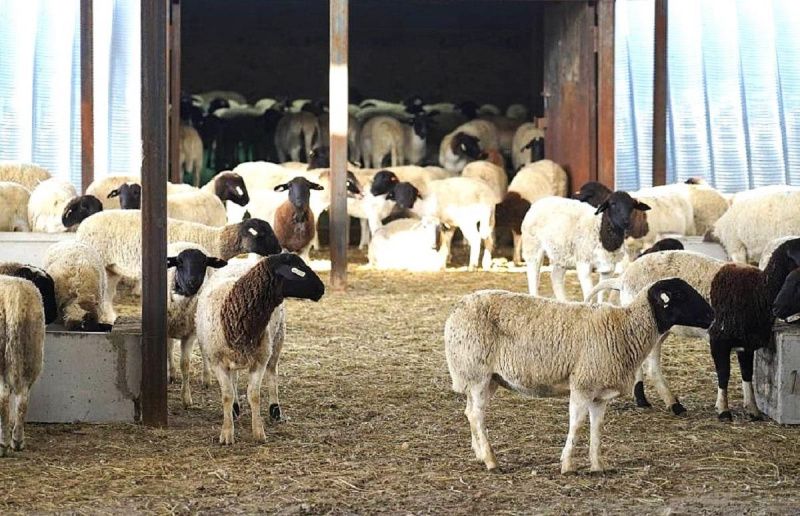
The company plans to increase its sheep flock to 4,000 head. Financing for the project was secured under the Bereke state programme, which provides preferential loans. The new feedlot forms part of the regional meat industry cluster, in which Ereymentau-Astyk-2014 Limited Liability Partnership is a key participant.
According to the regional administration, the company has been exporting lamb directly to buyers in Qatar and the United Arab Emirates since last year. The administration expects that establishing a breeding flock based on Australian genetics will enable the company to increase production and strengthen its position in export markets.
The regional governor linked the project to the objectives set by the head of state for the meat sector of the agro-industrial complex. He identified the establishment of a complete production cycle as a priority, encompassing animal breeding, fattening, advanced processing and exports of finished products. In Ereymentau District, this model is being introduced through an integrated production partnership using Canadian technologies.
The regional livestock development strategy provides for the establishment of three specialised breeding centres. Plans also include six feedlots with a combined capacity of 150,000 cattle. Another planned facility is a modern meat processing plant, to be located in Arshaly District within the Republican Industrial Zone.
Ereymentau and Korgalzhyn districts have been designated to specialise in Kalmyk and Kazakh Whiteheaded cattle, as well as Dorper sheep. Akkol and Zerendi districts are expected to breed Angus and Hereford cattle and Dorper sheep. A Simmental cattle breeding facility is planned for Birzhan Sal District and will be established jointly with Austrian partners.
Plans for 2026 provide for the import of 10,000 cattle and 6,000 sheep and goats into Akmola Region. Deliveries are scheduled under the Experience of North Kazakhstan Region, Bereke and Igilik programmes. Six investment projects have already been approved as part of the first financing tranche of 15 billion tenge.
The region's existing production infrastructure includes nine compound feed mills and seven feedlots with a combined capacity of 34,000 head. In addition, 23 meat processing enterprises operate in the region.