US dairy regions face milder winter forecast and contrasting moisture risks
Recent precipitation has varied sharply across the United States. Parts of Colorado, Arizona, New Mexico and southeastern California have received 200% to 600% of their normal precipitation over a 30-day period. An active storm corridor over the eastern Pacific has carried subtropical moisture into the Southwest, producing record rainfall in affected areas. Farther east, heavy rain across the southern Plains, including Kansas and Oklahoma, and into the lower Mississippi Valley has interrupted the remaining maize and soybean harvests and left fields used for dairy silage saturated. The regional outlook also identifies flash flooding as a farm risk.
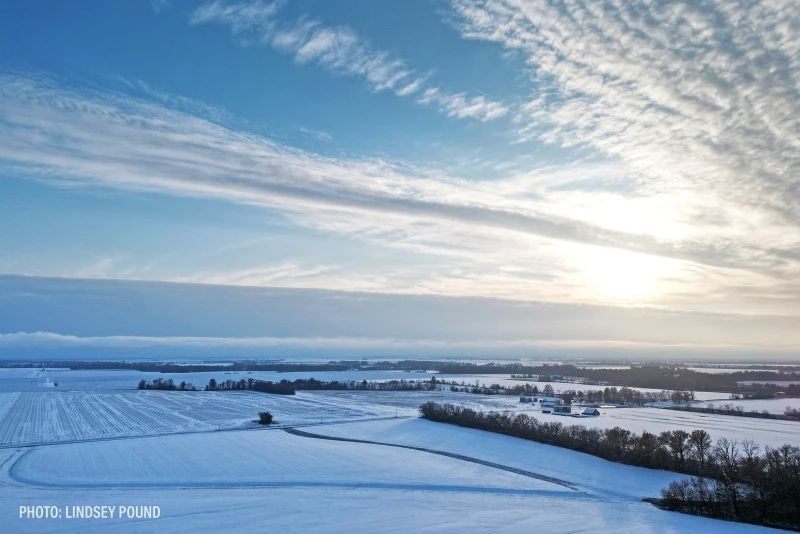
Conditions remain persistently dry in Minnesota, Wisconsin, Iowa and much of the Corn Belt. Kenny Blumenfeld, senior climatologist at the Minnesota Department of Natural Resources, identified the amount of snow that accumulates, and how long it remains, as a central uncertainty. Snow reflects sunlight, limiting surface warming, while meltwater replenishes soil in spring. Climatologists estimate that snow cover can make a difference of 10°F to 15°F to local winter temperatures. Without sufficient snow, they say, the northern dairy region could experience historically high winter temperatures while deeper soil layers remain short of moisture before spring planting in 2027.
The temperature outlook points to fewer prolonged incursions of extremely cold Arctic air, with such episodes expected to be shorter. For dairy farms, the report identifies several potential operating benefits: less fuel needed to heat milking parlours, fewer freezing problems affecting robotic milking equipment and automatic drinking systems, and lower energy requirements for lactating cows to maintain their bodies. These effects would accompany the warmer conditions forecast for the northern dairy states.
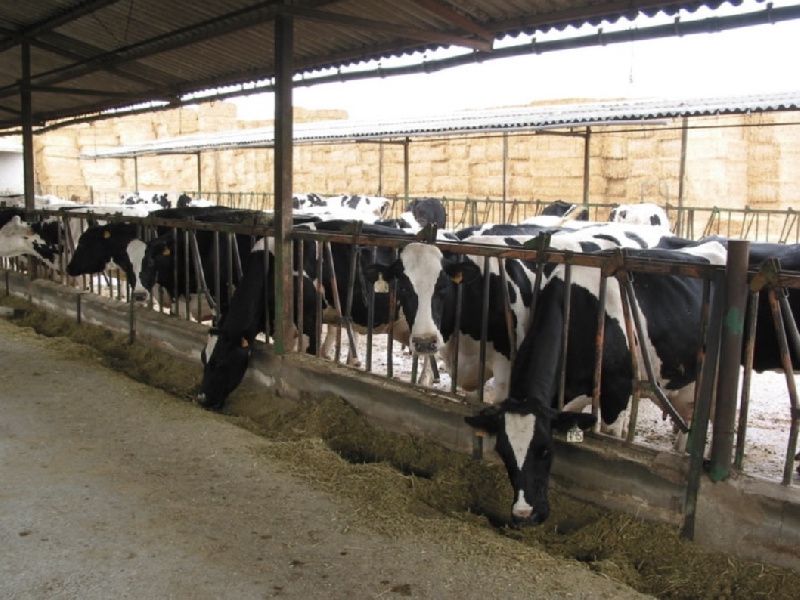
The same outlook identifies animal-health challenges associated with warm spells and irregular precipitation. Mud can build up in outdoor exercise areas, while humidity can fluctuate inside free-stall housing. Ventilation difficulties under warm, humid conditions can contribute to outbreaks of bovine respiratory disease in replacement heifers and milking cows. The report also highlights respiratory risks in calf housing.
Winter precipitation normally accounts for roughly a quarter of the Upper Midwest’s annual total. The report describes that seasonal moisture as important to ending existing drought conditions and says its distribution will influence forage supplies and feed-grain costs during 2027. Water replenishment during the winter is therefore a central issue for farms entering the next growing season with already dry soils.
Two possible storm patterns underpin the forage outlook. If Pacific moisture systems move farther north into the Midwest, the report says soils could receive a rapid recharge. If those systems instead continue to miss the northern agricultural belt, pastures, alfalfa crops and grain grown for silage could begin the spring 2027 growing season with substantial water shortages.