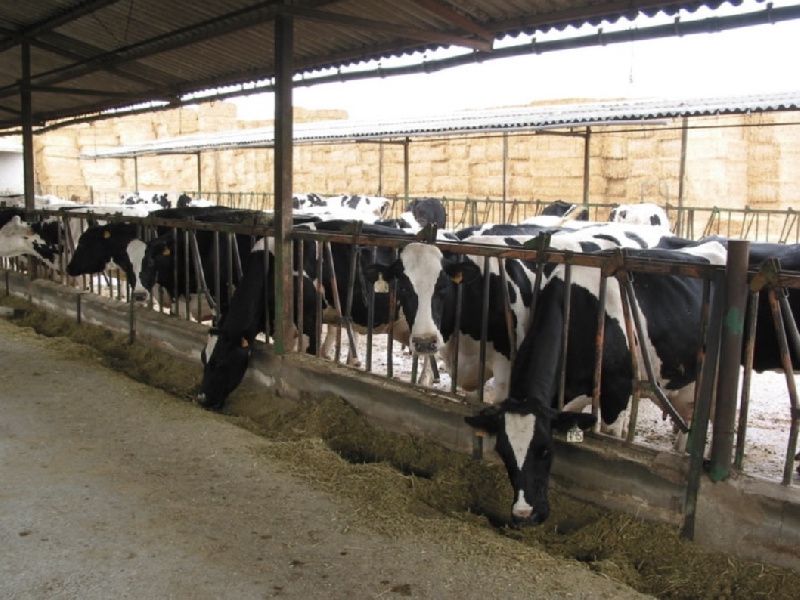
US Cheese and Butter Rank Among the Cheapest Globally
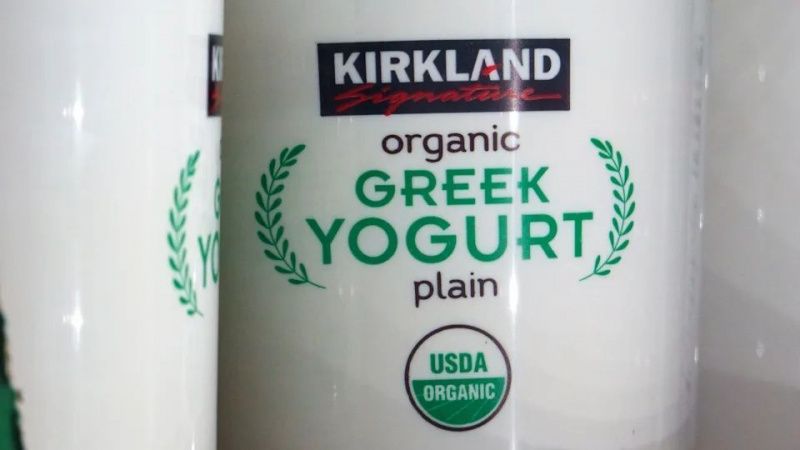
United States cheese and butter have become among the most price-competitive dairy commodities worldwide, according to the source. Domestic cheddar blocks and commercial butter are selling below comparable products from Europe and Oceania, while spot activity on the Chicago Mercantile Exchange has reflected softer US values.
National milk receipts have increased across several production regions, including the Upper Midwest, Idaho and the Southwest. Butterfat component tests have also risen in important milk-producing basins. Commercial cheese plants and butter churns maintained high operating rates in late summer and early autumn, adding to supplies of manufactured proteins and dairy fats.
Cold-storage facilities have reported substantial holdings of natural cheese and commercial butterfat blocks. Suppliers have therefore offered export volumes at lower prices as they seek to move surplus product and limit inventory-carrying costs. Domestic retail channels have remained sensitive to inflation, while import demand in some established buyer markets has cooled.
The difference with European markets has widened. European manufacturers face higher raw-milk procurement costs, limited seasonal butter stocks and environmental compliance requirements that have supported firmer finished-product prices. The US discount has prompted food-service groups, recombined-dairy producers and multinational confectionery companies to assess contracts for American-origin cheese and milkfat.
Potential buyers include customers in Latin America, Southeast Asia and the Middle East. Exporters still need to meet overseas moisture specifications, obtain Halal and Kosher certifications where required, and manage changes in container-freight rates on major shipping routes.
Lower wholesale values also affect US producer pricing. Under the Federal Milk Marketing Order pooling system, Class III and Class IV minimum prices are calculated from surveyed values for cheese, dry whey, butter and nonfat dry milk. When cheese and butter values decline, producer settlement revenues and mailbox milk payments can also come under pressure, particularly for farmers without direct participation in export-revenue programmes.
Cooperative marketing divisions use dairy futures and options to hedge processing margins and manage exposure to prolonged low wholesale prices. At farm level, producers are focusing on feed efficiency, butterfat and protein output per cow, heifer inventories and feed-grain contracts. The source says these measures are being used to protect operating margins through early 2027 as national milk supplies remain ample.