US Chapter 12 farm bankruptcies rise 46% to a six-year high

Producers in Minnesota and Iowa are among those describing financial conditions reminiscent of the American farm crisis of the 1980s. Farmers face higher borrowing costs alongside persistent increases in operating expenses. The earlier crisis was marked by sharp rises in federal interest rates; current pressures combine sustained cost inflation with heavy borrowing. Recent interest-rate increases have added to the expense of servicing farm debt.
US Department of Agriculture figures put the number of operating farms at 1.865 million in 2025. That was 15,000 fewer than a year earlier and almost 10% below the 2018 total. Small family businesses still constitute 86% of American farms. Farm consolidation has been accompanied by closures and mergers among the businesses and public institutions serving agricultural communities, including dairy processors, equipment-repair businesses and schools.
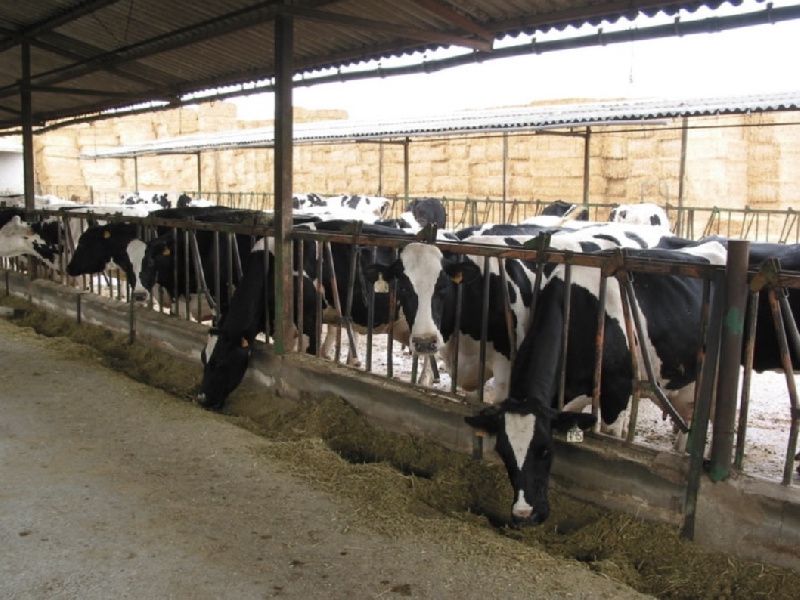
The change is evident in Big Stone County in west-central Minnesota. The county had about 400 dairy farms during the 1950s; local producers now report that its dairy-cow population has reached zero. Kathy Draeger, a University of Minnesota professor of sustainable agriculture, and Mike Jorgenson are among the farmers living in the western part of the state.
Diesel, seeds, fertilisers and equipment upkeep remain costly, while prices received at harvest fall short of production expenses. Farmers are carrying record amounts of operating debt. Many family farms rely on a spouse’s employment outside agriculture or other household earnings to pay living expenses and maintain health insurance. These additional sources of income support households whose agricultural earnings do not cover their costs.
Federal agricultural legislation is another concern for producers. The Farm Bill, normally renewed at five-year intervals, has remained stalled since 2018. Agricultural policy analysts say the existing commodity-support arrangements were not built for the combination of steep input-price increases, aggressive trade tariffs and severe shortages of farm labour. Farm families make up less than 2% of the US population while producing more than 80% of the food eaten in the country.
Industry advocates are calling for measures to stabilise agricultural commodity markets, tackle concentration among input suppliers and broaden the financial tools available for managing risk. They also warn that farm departures interrupt the transfer of practical knowledge between generations. As holdings combine into larger businesses using automation and contracted field services, fewer young entrants acquire direct experience in livestock care, machinery work and crop management. Advocates identify preventing widespread foreclosures and business failures as priorities for policy intervention.