US authorities confirm bird flu in dairy cattle across three states
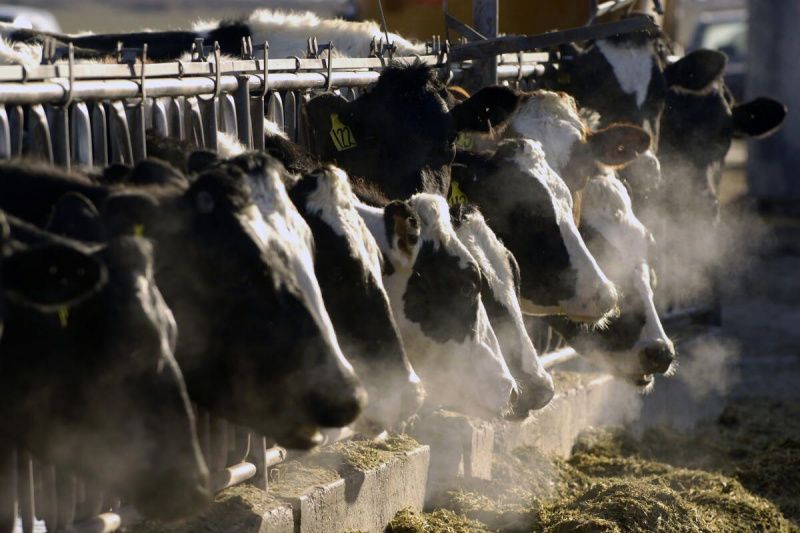
The Texas Department of Agriculture (TDA), led by commissioner Sid Miller, issued the alert following confirmation of a contagious strain in the state's dairy cattle. Investigations by the United States Department of Agriculture (USDA) and its Animal and Plant Health Inspection Service (APHIS) suggested that migrating wild birds had brought the virus into cattle enclosures. Adult cows were principally affected, developing fever, sharply reduced milk output and thick, discoloured milk. Federal authorities said laboratory analysis of the virus's genome had identified no mutations that would increase the risk of transmission to humans.
The report, credited to Línea Directa, describes individual checks during milking as part of dairy-farm disease surveillance in Mexico. These include examining the first streams of milk against a dark-bottomed cup to identify abnormal thickness, clots or changes in colour. Antiseptic treatment of teats before milking is another measure described. The report presents these routines as precautions against infections within the udder and contamination of milk collected in bulk tanks.
After collection, healthy raw milk is directed into tanks that rapidly cool it to 4°C, a step the report links to stabilising titratable acidity before transport. At processing plants, it describes continuous pasteurisation at temperatures above 72°C, or ultra-high-temperature treatment at 138°C for four seconds followed by aseptic packaging. The article identifies these heat treatments as measures for inactivating viral and bacterial pathogens and recommends communicating the effectiveness of pasteurisation to consumers.
In its discussion of dairy sales in Mexico and agricultural trade with the United States, the report argues that confidence in pasteurised milk is important to prevent misinformation from shifting purchases towards substitutes. Mexican grocery shops and supermarkets sell both pasteurised cow's milk and blended dairy preparations or analogous products. Ingredients listed for the latter include imported dried whey, modified starches and hydrogenated palm-derived vegetable fats. The report describes these products as low-priced substitutes marketed to resemble genuine dairy products, and says they lack the biological value and minimum protein contribution required under the Mexican standard NOM-155-SCFI-2012.
The report also calls for stronger disease surveillance and perimeter biosecurity on Mexican farms, including measures to keep wild birds away from cattle feed and drinking water. It says feed accounts for more than 70% of current operating costs per litre of milk in Mexico's commercial dairies and family livestock businesses. That expenditure covers maize silage, alfalfa hay and commercial protein concentrates. The article warns that fever and a sharp fall in adult cows' milk production could put farm cash flow under pressure.
For Mexico's northern border crossings and dairy-producing areas, the report recommends immediate preventive protocols in response to the proximity of Texas and New Mexico. It identifies the Secretaría de Agricultura y Desarrollo Rural (SADER), Senasica and Cofepris as relevant agencies, and calls for stronger animal-health inspections along the northern border and certificates confirming the absence of the virus when cattle are moved. It also urges authorities to remind consumers of the prohibition on drinking unpasteurised raw milk.