Union-Go Dairy adds approximately 650 cows to support family succession
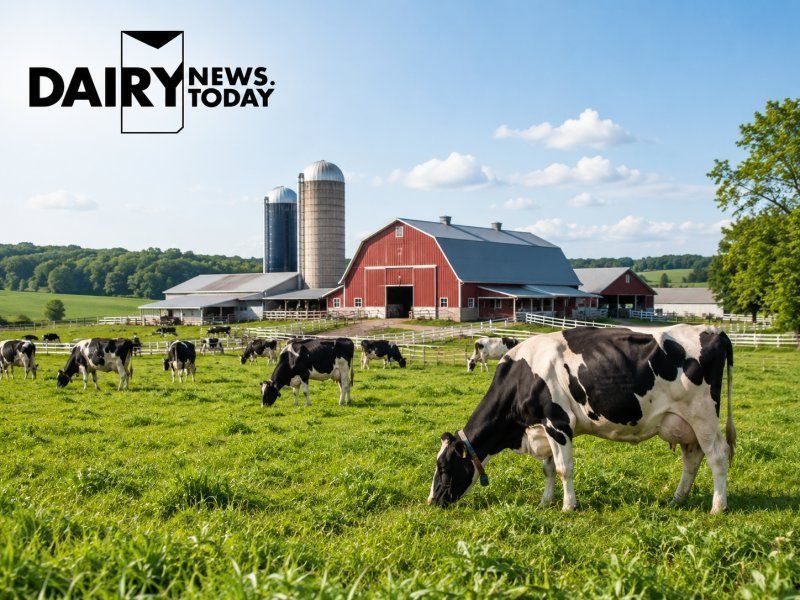
Co-owner Sanne Goltstein said the family established the dairy with 1,200 cows after moving from the Netherlands in 2003. Smaller herd increases followed over the next two decades. Goltstein, her brother and her sister each own stakes in the farm business, following the ownership arrangements introduced by their father. The current investment is designed to provide the income and equity needed for additional family members to join the operation.
Goltstein said transferring a dairy between generations requires substantial increases in operating cash flow. The expansion is intended to accommodate family living expenses and ownership interests while creating responsibilities in animal health, crop management and business finance. The article places the project against a backdrop of fluctuating milk payments, higher costs for replacement cattle and rising interest rates. It describes larger operating scale as a way for family dairies to bring in younger relatives while supporting existing owners.
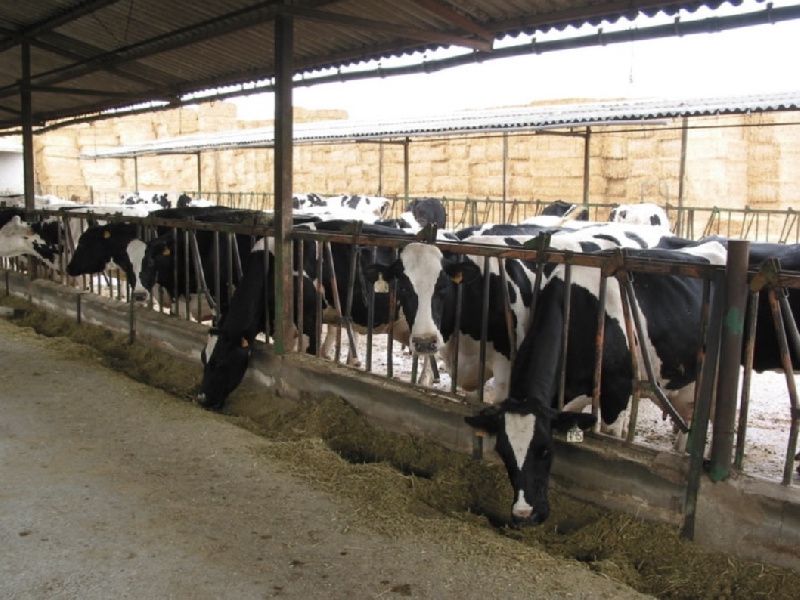
The report also outlines the housing and feeding requirements associated with larger dairy herds in the eastern Corn Belt. It describes free-stall buildings using cross- or tunnel-ventilation and deep sand bedding as typical features of modern expansion projects, intended to support cow resting time and low somatic-cell counts. Additional animals increase the workload for milking facilities and the capacity required for manure storage. Feeding arrangements must accommodate more cattle through scheduled delivery of mixed rations and consistent consumption of feed dry matter. Automated monitoring is another tool used to track production and reproductive performance.
On financing, the article describes investment in cattle housing, milking equipment and feed stocks as substantial borrowing commitments for commercial dairies. Revenue from milk components helps service those obligations. Under Federal Milk Marketing Order pooling arrangements, butterfat and protein output contribute to the margins available during periods of lower underlying milk prices. The report links capital efficiency to the narrow margins facing dairy businesses, alongside the costs of accommodating and feeding an expanded herd.
For succession arrangements, the report identifies formal business entities, documented transfers of ownership and defined performance measures for family partners as governance tools. It describes these arrangements as ways to reduce disputes within families, retain lenders’ confidence and safeguard owners’ equity during economic disruption. At Union-Go Dairy, the siblings’ direct ownership interests reflect the route into the business established by the previous generation.
The regional context includes processing investments worth millions of dollars across the Great Lakes and Mid-Atlantic milk-producing regions. Cheese makers and producers of drinking milk and cultured dairy products require regular supplies of raw milk within economical collection distances. The article describes family farms able to dispatch chilled milk in consistent daily tanker loads as securing processor premiums and transport efficiencies. It connects herd growth in east-central Indiana with the wider Midwest’s expanding capacity to process milk.