UK Dairy Farms Trial More Than 200 Emissions Measures
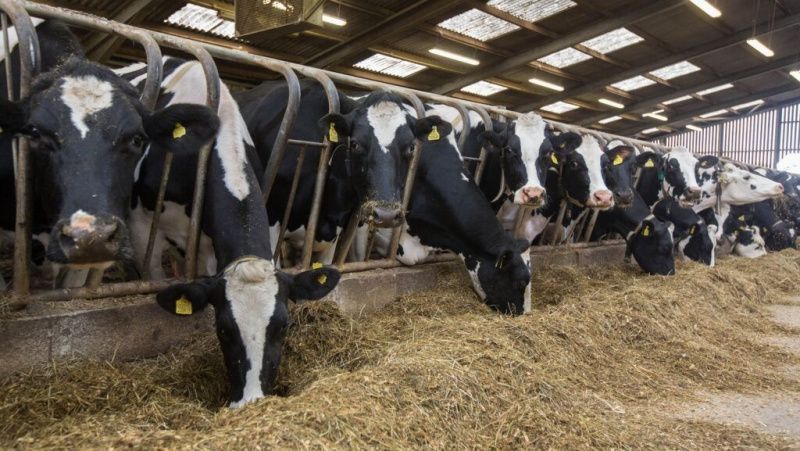
The trials are being conducted through the UK Dairy Carbon Network, which brings together farmers, researchers and industry partners. The programme covers practical changes in nutrition, breeding, animal health and nutrient management.
Feed is one of the main areas under review. Participating farmers are assessing how to improve the efficiency of cattle diets, increase the use of forage grown on their own farms and evaluate feeding approaches that may reduce emissions.
The network is also testing measures related to herd fertility and the health of young animals. Other work includes applying genetic information more effectively, revising nutrient-management plans and making greater use of slurry and manure.
The project is scheduled to run for three years and involves farms in both Great Britain and Northern Ireland. It is led by the Agri-Food and Biosciences Institute with support from research and industry organisations, while lessons from the participating holdings are being distributed more widely across the dairy industry.
Prof Steven Morrison, the project director, said farmers had demonstrated a strong commitment since the initiative began. “It is encouraging to see these measures being put into practice and generating real results on farms,” he said. Morrison added that assistance and collaboration from supply-chain partners had been important in helping farmers implement the changes and increase their effect.
He also said that several measures could raise farm efficiency and improve finances. Farmers are continuing to manage market returns, the effects of drought and bluetongue, he said.
The network is increasingly examining combinations of interventions rather than considering each one separately. Some farms are already testing packages of changes, with researchers studying their effects across the whole business. Morrison said this would strengthen the evidence on which measures work, where they work and how they can be combined to support further emissions reductions in dairy farming.