Tokayev orders rollout of artificial intelligence in Kazakhstan’s agriculture
In his address to the nation, “Kazakhstan’s Priorities in a New Historical Cycle,” Tokayev tasked the government with ensuring that farmers have access to long-term investment funding. He said the financing system should enable farms to plan their operations years ahead. Baiterek holding company has compiled a list of promising food industry projects worth more than 500 billion tenge. The president demanded that they promptly receive access to affordable, concessional financing and that implementation of the prepared projects begin.
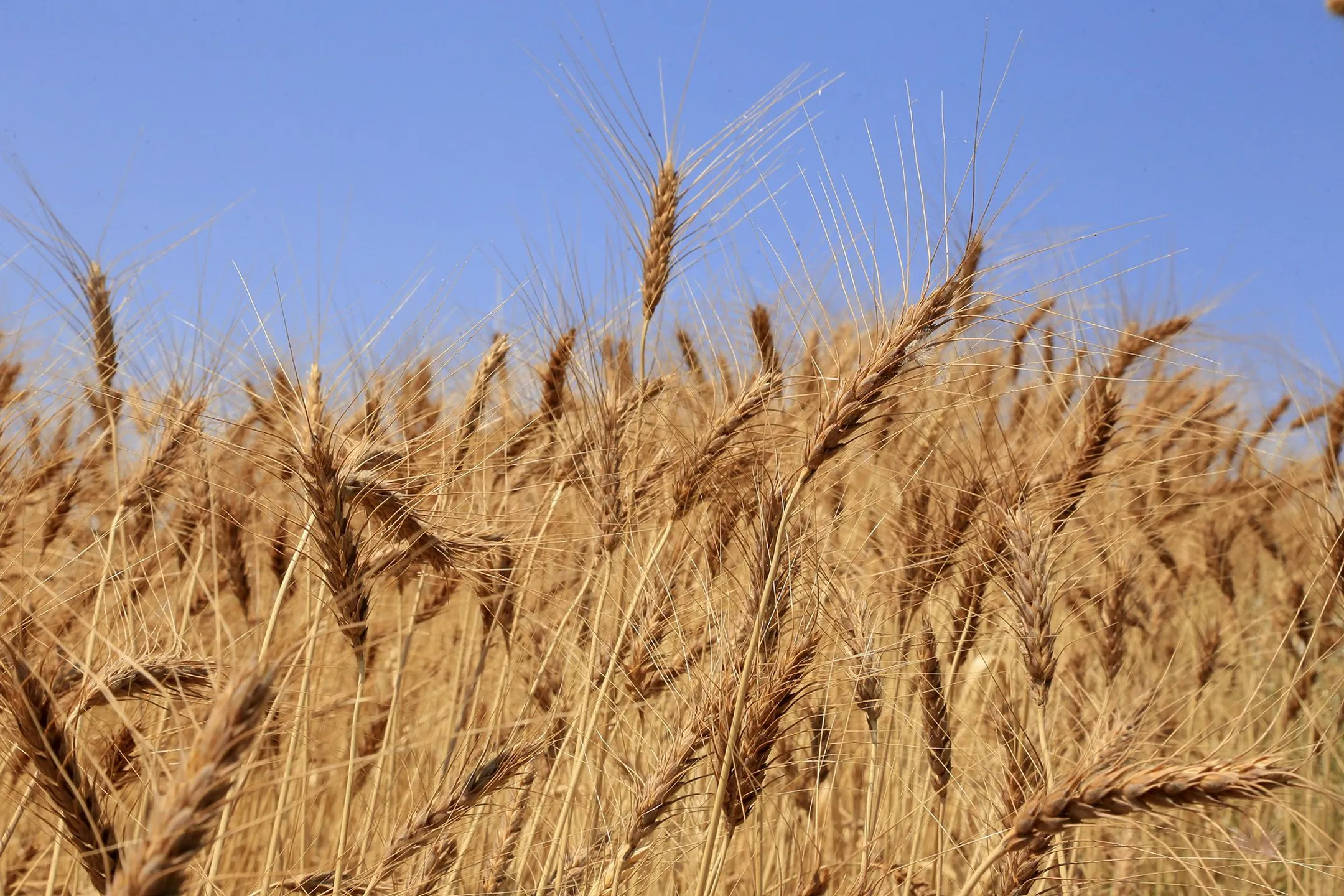
Among the priorities for technological modernization in agriculture, Tokayev identified expanding the production of high-tech tractors and combine harvesters in Kazakhstan. He also pointed to substantial areas of land near major water sources. The president estimated that introducing irrigation in these areas would increase yields of traditional crops by a factor of 2–2.5. Tokayev said that, with the successful adoption of new technologies, Eurasia could become the main food supply hub in the event of a global famine.
The president paid particular attention to advanced processing of agricultural raw materials. As an example, he cited farms in Kyzylorda Region that grow and process soybeans and maize under harsh climatic conditions. In Turkestan Region, a Chinese company is developing a cotton and textile cluster incorporating water-saving solutions. The cabinet was instructed to help replicate these practices in other regions and provide timely support to investors.
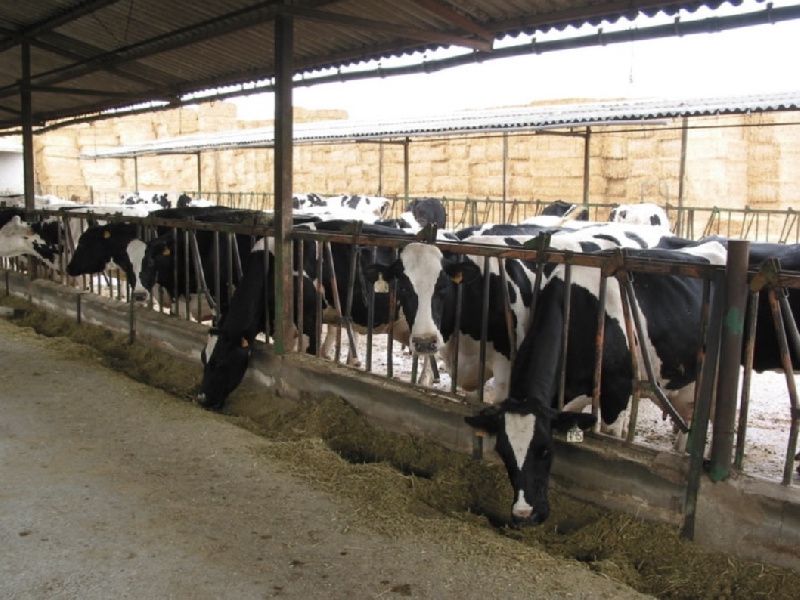
Tokayev proposed applying similar technological approaches to livestock farming. Drawing on the experience of North Kazakhstan Region, 71 commercial dairy farms have begun operating across the country; their annual output exceeds 462,000 tonnes of milk. A meat industry cluster using modern international practices is taking shape in Akmola Region. The president called for support for such businesses, including financing when necessary.
Alongside expanding production and processing, Tokayev demanded improvements in agricultural product storage and the organization of sales. He said agricultural logistics centers should be freely accessible to farms of all sizes, from large holding companies to small farming businesses. The government and Baiterek were instructed to develop specific measures, prioritizing advanced processing and projects that increase labor productivity in key economic sectors.
The president also called for domestic production of building materials, metal structures and engineering equipment for large-scale infrastructure works. He proposed that such enterprises form the foundation of the “People’s Construction” program. Tokayev opposed using National Fund resources to pay for imports. To develop the economy, he proposed attracting leading foreign and domestic companies with modern technologies, specialist expertise and access to global markets. The president called for investment performance to be assessed by the number and quality of production facilities commissioned, as well as their actual contribution to the economy.
Tokayev had previously announced that the “People’s Construction” program would be extended nationwide. A total of 6.5 billion tenge from the National Fund has been earmarked for infrastructure upgrades. Deputy Prime Minister and Minister of National Economy Serik Zhumangarin said the government would continue using the fund’s resources for critical infrastructure projects.