Three generations share dairy work on family farms in southern Brazil
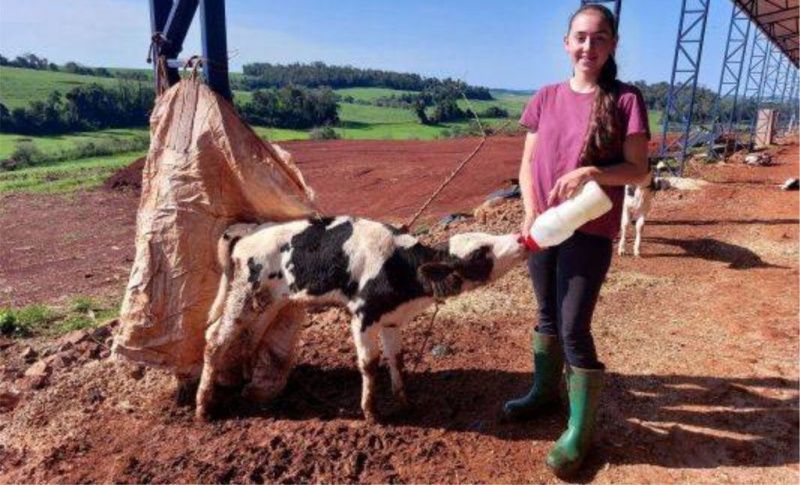
Carolina, a ninth-grade pupil and a third-generation member of the Soares family, helps feed cows, milk them, administer fluids and medicines, carry out insemination and assist with difficult calvings. Much of her training comes from her uncle and godfather, Marcelo Edegar Soares. She plans to pursue agricultural technical studies during secondary school. Dairy farming provides the property’s income. Her mother, Andréia Soares, says Carolina has enjoyed caring for animals and helping the family since early childhood. Andréia also began farm work young. She regards the countryside as a quieter and safer place to live, where children and teenagers have greater freedom.
Carolina’s grandmother, Isolde Kantorski Soares, recalls when cows were milked by hand and keeping the milk fit for consumption until collection was more difficult. On particularly hot days, the family would boil it to prevent spoilage. Daily output was then around 200 litres. The family carried three milk churns to the roadside for the collection truck, before returning home for another two buckets. Her children gradually took over the work, and access to technology changed the farm’s working methods. Milking is now mechanised. Isolde, who is 68, says she feels reassured by her granddaughter’s interest in remaining in farming.
Marcelo regards the difficulties of agricultural work as an obstacle to succession within farming families. Technology has made tasks easier and improved comfort, he says, but the work remains continuous and demands considerable time. Animals need care every day of the week, limiting opportunities for a social life. He says children can lose interest after growing up hearing their parents complain about the work. Even so, he argues that every sector has difficulties and that these are not grounds for giving up. Marcelo has always worked in dairy farming and plans medium-term investment to increase the property’s milk output.
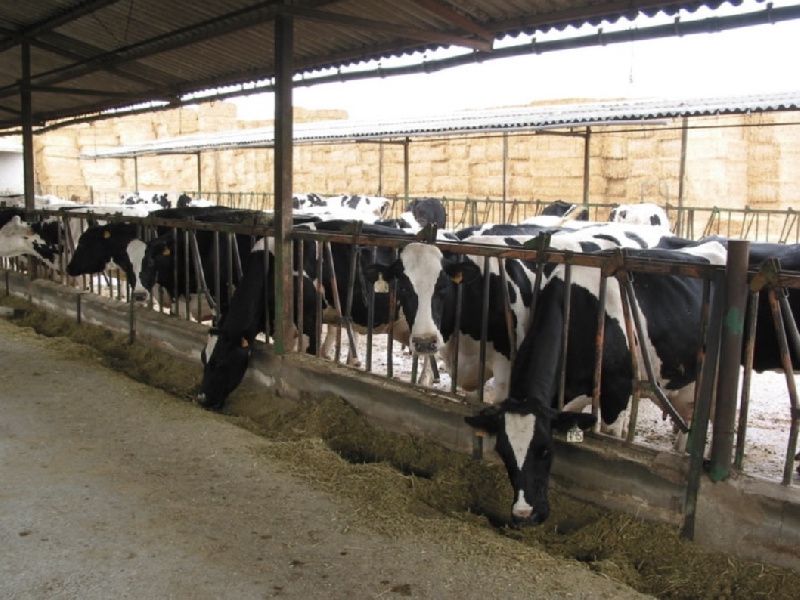
Ijuí lies in north-western Rio Grande do Sul, one of Brazil’s principal dairy-producing regions. A 2025 survey by Emater/RS-Ascar counted 238 farms supplying milk to processors in the municipality. Together, they had 8,210 cows being milked and produced approximately 39 million litres over the year. Of those producers, 29 kept their herds in confinement and 209 used pasture-based systems. Despite the smaller number of confinement operations, Emater/RS-Ascar estimated that they accounted for about half of municipal milk output. The Soares family uses a Compost Barn system, housing cows under cover on a bed of sawdust, with climate control and feed supplied in troughs. Edevin Bernich, a rural extension officer at Emater/RS-Ascar, says having around 80% of the animals lying down indicates comfort and good health. The sawdust must be turned daily to manage moisture, which becomes more pronounced in winter.
Tâmires Seifert, another third-generation dairy farmer, says tranquillity and time with her family are among her reasons for remaining in rural Ijuí. She contrasts that routine with city life, where, she says, parents leave early and return at night while children stay in childcare or with someone else. Milk is the main source of income on the property where she lives with her boyfriend, João Eduardo Reis; her parents, Oldemar and Rosalete Seifert; her grandmother, Cedi Seifert; her son, Brian Seifert Fachin; and her brother, Bruno Seifert. Brian is nine and Bruno is 11. Tâmires tries to show them the advantages of country life to encourage them to remain in the countryside.
The Seifert household begins its working day at about 4.30am with mechanised milking. Afterwards, equipment and the milking area must be cleaned, and the cows are taken to pasture. Their diet is supplemented with silage and feed. Alongside those jobs, the family organises the house and gets the boys ready for school. The children accompany some of the farm activities. The property also grows soya beans, oats, vegetables and fruit, and raises beef cattle for the family’s own consumption.
Oldemar Seifert considers conditions in dairy farming to be improving. The property received the Destaque em Sucessão Familiar award, part of a programme run by Ijuí’s municipal government to recognise rural producers in several categories. The presentation took place on July 14 during the launch of Milk Summit Mercosul 2026.