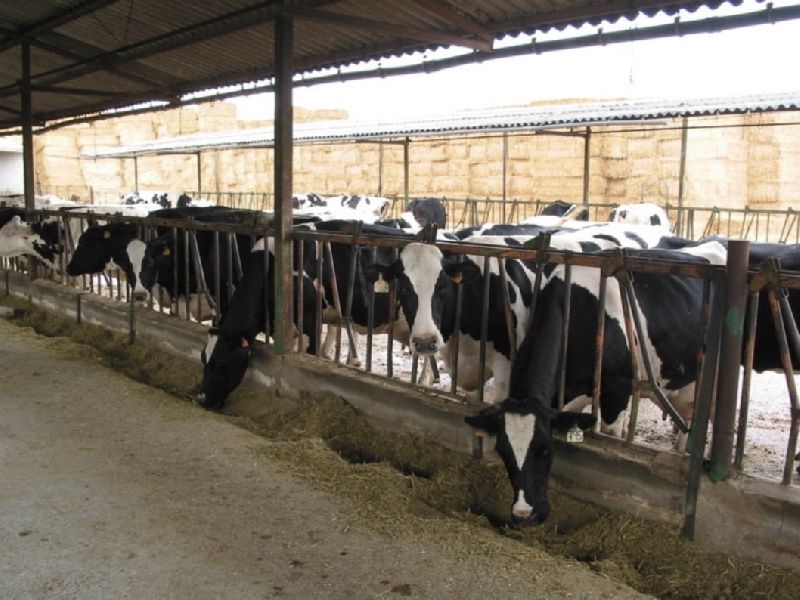
The U.S. challenges Canada’s cheese quota rules
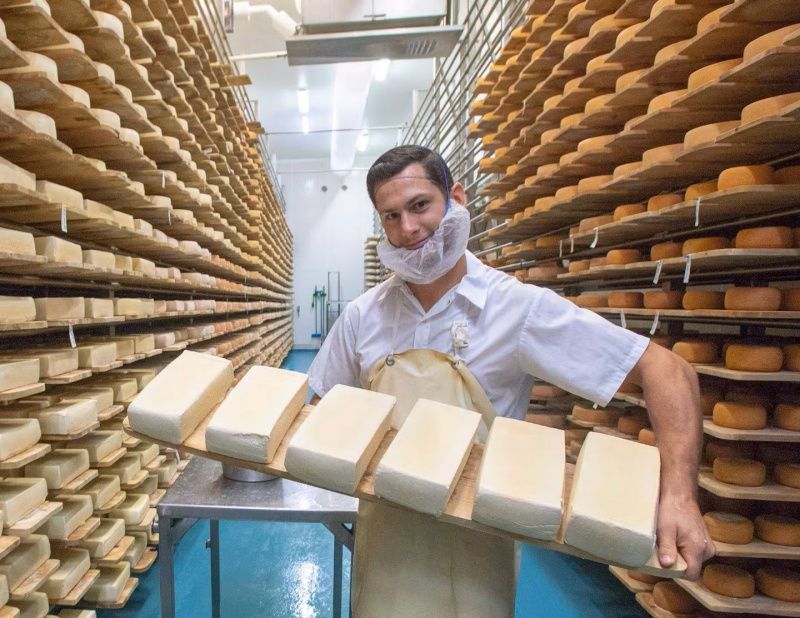
The allocation of cheese-import permits has become a major point of contention in negotiations between Ottawa and Washington. The Trump administration has threatened punitive tariffs of 50% on $20bn of Canadian goods while seeking changes to Canada’s tariff-rate quota system under the Canada-United States-Mexico Agreement, or CUSMA.
Washington says Canada’s arrangements disadvantage American exporters because import licences are largely assigned to Canadian dairy processors and distributors, with grocery retailers excluded. The United States points to Canada’s trade agreement with the European Union, under which Canadian retailers received direct access to dairy quotas, and says that American specialty-cheese producers should receive comparable treatment.
The disagreement concerns the distribution of existing import rights rather than the overall quantity of cheese entering Canada. Agricultural economist Al Mussell, a fellow-in-residence at the C.D. Howe Institute, told BNN Bloomberg that the CUSMA quotas are already almost fully used. In his account, giving large supermarket chains direct access would reallocate profitable shelf space rather than expand total imports.
Mussell said that a shift away from Canadian manufacturers would also affect the operation of the country’s supply-management system. Domestic dairy plants receive regulated and planned supplies of raw milk, while pooling arrangements and farm-level production planning are organised around those processing volumes. He said that allowing retailers to displace some domestic processing would complicate those arrangements and would not be in Canada’s economic interest.
The dispute has already been considered by CUSMA panels. An earlier panel rejected Canada’s initial practice of reserving quotas exclusively for domestic processors, after which Canada amended its framework to include distributors. A subsequent U.S. challenge focused on the continued exclusion of retailers. The dispute-settlement body ruled for Canada and found that the revised rules complied with the treaty.
Mussell said that pursuing the issue through tariff pressure after the panel decision would set “a troubling precedent for rules-based trade”. The talks also involve differences in dairy standards. He said milk that meets the United States’ standard Grade A requirements cannot legally be sold in Canadian provinces because Canada applies stricter domestic quality thresholds. Recent reductions in federal laboratory monitoring in the United States, he added, have increased uncertainty about testing standards.