The Rise of Counterfeit Whey Protein in Brazil
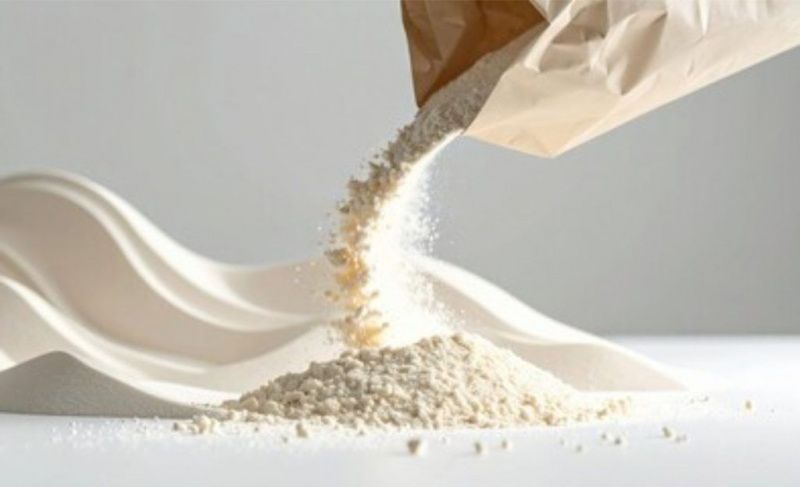
The issue of counterfeit whey protein has gained significant attention in Brazil, with recent investigations highlighting the scale of the problem. Authorities have discovered that counterfeiters often use inexpensive ingredients such as starch, maltodextrin, powdered milk, flour, and added sugars to mimic the appearance and texture of genuine whey protein. These substitutes significantly reduce the nutritional value of the product, leaving consumers unaware of what they are actually ingesting.
In February 2024, the scope of the operation was revealed when the Polícia Civil found a clandestine laboratory equipped with a large storage warehouse. This facility contained a substantial amount of pharmaceutical products, hundreds of ready-to-ship packages, and labels for thousands of products, indicating the industrial level of the operation according to the Ministério Público do Rio de Janeiro (MPRJ).
The Agência Nacional de Vigilância Sanitária (Anvisa) had already issued warnings about counterfeit whey protein in Brazil since 2022. In one incident, in February, Anvisa seized a supplement powder sold under the brand Equaliv Body Protein Cacau, which was not recognized by its manufacturer, Althaia Group.
Further action was taken on June 17, 2024, when the MPRJ initiated an operation targeting a scheme that utilized well-known brands and attractive pricing to sell questionable supplements through online platforms.
The health risks associated with consuming counterfeit whey protein are a major concern. According to endocrinologist Fernanda Parra, these adulterated formulas can cause digestive discomfort, intestinal issues, and other adverse reactions, depending on the quantity consumed and the individual's health status. Excess sugars and hidden carbohydrates in these products can also lead to metabolic impacts, compounded by the risk of contamination during unregulated manufacturing processes.
Experts recommend that consumers prioritize products from reputable companies that provide invoices and seek professional guidance before starting any supplementation. Endocrinologist Rafael Suhett emphasizes that supplements should not replace meals or serve as quick solutions for health and fitness improvement.
These findings underscore the importance of vigilance among consumers and the need for ongoing regulatory enforcement to combat the spread of counterfeit nutritional supplements in Brazil.