The Power of Big Farming on New Zealand Politics
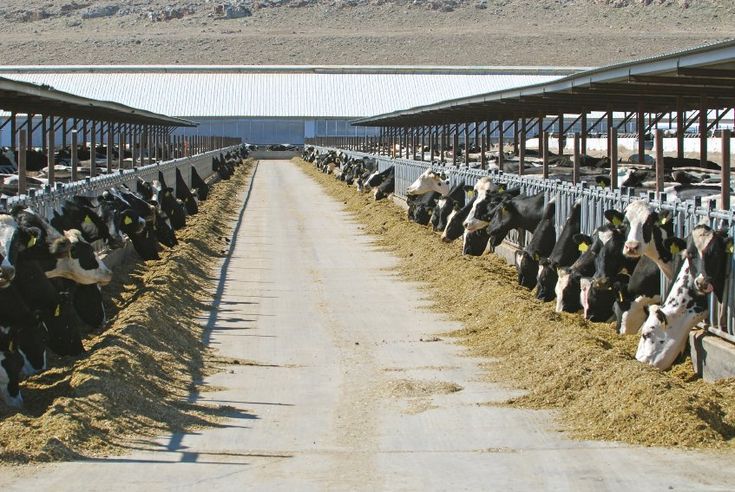
Recent disclosures have unveiled the extent of influence wielded by New Zealand farming entities over governmental operations. Hundreds of pages of email correspondences demonstrate ongoing interactions between farming collectives and government officials, with the focus directed towards advocating for amendments in existing environmental regulations.
The intricate relationship between large agricultural operations and legislative authorities underscores a broader narrative seen globally, where economic imperatives appear to have significant sway over environmental considerations. Such influences have sparked discussions around policy motivations, primarily highlighting the precarious balance between fostering economic growth and maintaining sustainable environmental practices.
Sustainability advocates posit that while economic growth in sectors like agriculture is pivotal, there must be a conscientious approach to environmental stewardship to avert long-term ecological consequences. The escalating engagement of lobbying efforts by New Zealand's farming industry bodies with those in legislative power raises pertinent questions regarding the possible trade-offs between profit and planet.
The revelations also align with international patterns, where agricultural lobbies often resist stringent environmental norms citing economic constraints. Critics argue this stance potentially leads to exploitation of natural resources, contributing to global concerns like climate change and biodiversity loss.