Tetra Pak opens aseptic-packaging exhibition in Mexico City
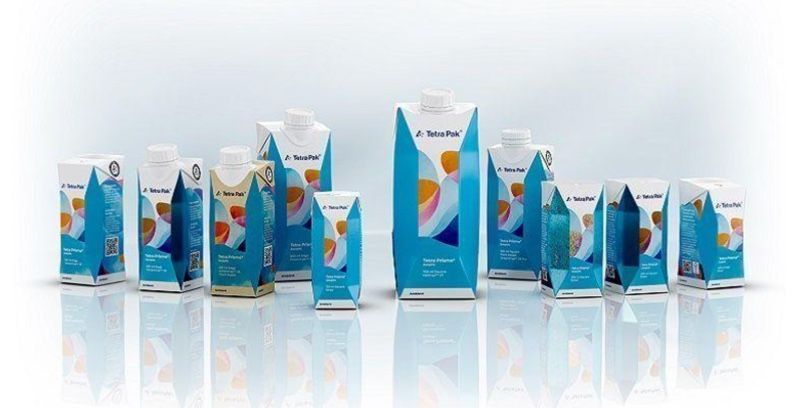
The exhibition occupies The Mansion by EstiloDF at Avenida Presidente Masaryk 148. Under the slogan “Protects what's good”, it traces the development of Tetra Pak's multilayer packaging formats since 1952. Displays explain how heat treatment and protective packaging allow highly perishable foods, including liquid cow's milk, to remain at room temperature for six months or longer without artificial chemical preservatives or refrigerated distribution.
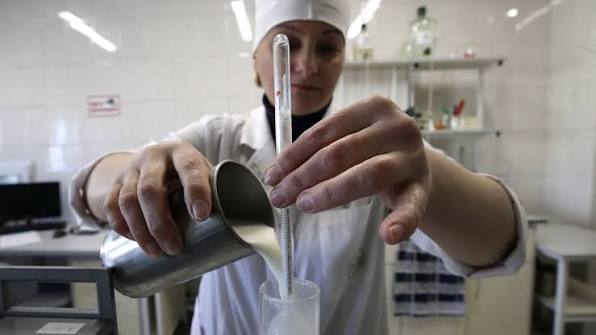
The milk-preservation process described begins on farms. Foremilk stripping and antiseptic teat preparation help control environmental mastitis before milk enters rapid-cooling tanks maintained at 4°C. Cooling limits microbial growth and stabilises titratable acidity. At processing plants, ultra-high-temperature treatment, or UHT, heats milk to approximately 140°C for four seconds, followed by aseptic filling and hermetic sealing. These stages combine farm-level hygiene, temperature control and factory processing in the production of long-life milk.
The packaging presented consists of 72% virgin paperboard, providing stiffness and structural support; 23% low-density polyethylene, providing seals and protection against external moisture; and 5% aluminium, forming an internal barrier to oxygen and light. The layered structure prevents light-induced oxidation of riboflavin and protects casein micelles and milk-fat globules. The exhibition links these material functions to the preservation of milk during storage and commercial distribution.
In Mexico, UHT technology has extended access to packaged liquid milk in remote communities, tropical areas and urban outskirts without continuous commercial refrigeration. Traditional shops and supermarkets stock products made entirely from cow's milk alongside dairy substitutes and imitations formulated with hydrogenated palm fats, modified starches and imported dried whey. Such blended products also use aseptic formats to compete at lower retail prices. Processors use multilayer cartons for whole, reduced-fat and lactose-free milk, protecting products against spoilage caused by acidification during distribution and preserving their nutrients.
The account published by Food News Latam also connects long-life processing capacity with dairy-farm finances. Feed—including maize silage, alfalfa hay and commercial protein concentrates—accounts for more than 70% of operating costs per litre on specialised dairy farms. Logistics disruptions and insufficient factory capacity to handle seasonal milk surpluses can depress farm-gate payments during periods of abundant forage production. According to the account, continuous UHT processing and aseptic filling enable processors to take in larger milk volumes from family-run and technologically equipped farms, converting them into shelf-stable stocks that cushion price volatility and support regular payments to producers.
The exhibition also presents Tetra Pak's post-consumer recycling operations in Mexico. The company recycled 57,500 tonnes of cartons in 2025, up 4% from the preceding year. Its supporting network comprises 820 collection centres, 420 strategic partners and 191 green collection points. The displays cover the recovery of used packaging and the industrial processes employed to turn its constituent materials into other products.
At recycling plants, industrial hydropulpers mechanically separate cellulose fibres from the collected cartons without corrosive chemicals. The recovered fibre is used to manufacture corrugated board, toilet paper and notebooks. The remaining polyethylene-and-aluminium fraction, known as polyaluminium, is thermally fused into sheets used for roofing and school furniture.