Tere Jiménez reaffirmed support for Aguascalientes farmers
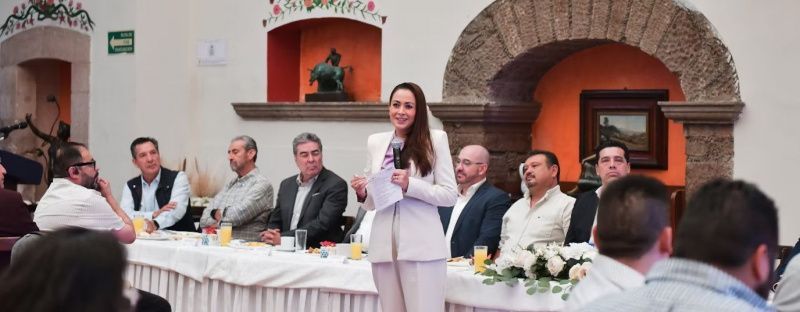
Governor Tere Jiménez led a working meeting with agricultural producers, agribusinesses and representatives of food-sector chains in Aguascalientes. The discussion examined opportunities for the primary sector, reviewed its expansion and addressed financing and rural-development priorities.
Officials reported that the Secretariat of Rural and Agribusiness Development, known as Sedrae, had directed support to more than 2,500 producers and micro, small and medium-sized agricultural enterprises. The assistance covered farm machinery, upgrades to dairy barns and other livestock facilities, equipment for agro-industrial workshops, and preferential financing through programmes such as Agrocrédito.
The state’s measures also include water-management technology for fields and irrigation districts. Authorities described the installation of solar panels at milking units and farms as part of efforts to introduce renewable energy. Plans further include improving storage facilities and connecting producers with collection centres to preserve perishable raw materials.
Participants discussed moving beyond the sale of unprocessed commodities in bulk. Products identified for greater processing included speciality dairy goods, certified meat cuts, packaged vegetables and wine-related products. The authorities linked this approach to stronger traceability, health and food-safety standards, with the stated aim of expanding sales of products from Aguascalientes through national supermarket chains and demanding export markets.
Jiménez recognised the role of agricultural workers and businesses in the state’s economic stability and food security. She said her administration would continue direct support through public policies and strategic investment.
The meeting was also attended by Aguascalientes mayor Leonardo Montañez Castro and Heriberto Gallegos Serna, president of the state legislature’s agricultural-development commission, along with other municipal officials and legislators. The participants discussed coordination among the executive branch, the local Congress and municipal governments on budgetary efforts for the agricultural sector.