Technological Advances in Dairy Farming and the Challenge of Mastitis
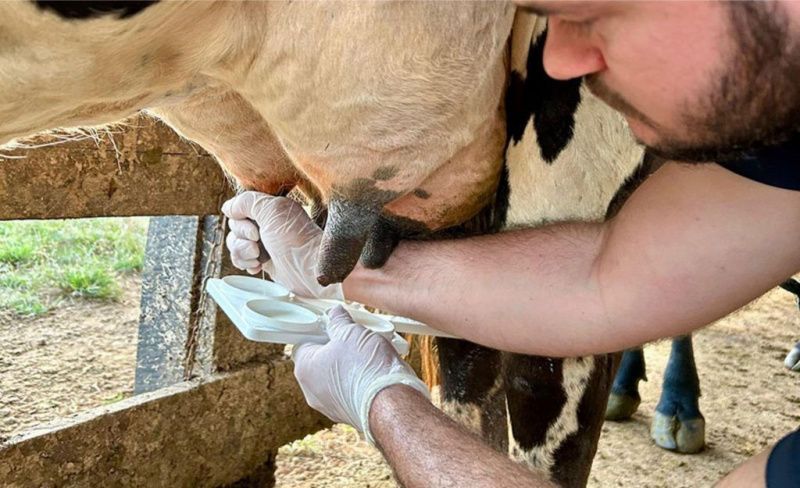
Researchers in Brazil have conducted a study to address the challenge of maintaining milk quality in technologically advanced dairy farms. The study, published by eDairy News Brasil, involved tracking contamination points in equipment, utensils, water, and animal handling across farms with varying technological levels. After implementing stringent hygiene practices, such as proper udder preparation and thorough cleaning of milking equipment, the bacterial load in milk was reduced by over 95% on evaluated farms.
Despite improvements in bacterial indicators, data revealed an increase in somatic cell counts (SCC) in monitored tanks. This suggests a rising trend of mastitis, particularly in herds with mechanical milking and specialized dairy breeds. The findings indicate that technological advances alone do not ensure better sanitary indicators without consistent health protocols for udder care.
The issue of mastitis extends beyond milk quality concerns. Clinical mastitis cases lead to milk discards and require animal treatment, while subclinical mastitis can significantly decrease herd productivity without obvious symptoms for farmers.
Results from the state of Rondônia emphasize the need for continuous technical assistance, monitoring, training, and disciplined execution of good practices to improve milk quality. While reducing bacterial counts marks significant progress, the next step toward competitiveness involves more efficient mastitis control and herd health management.